Pitbull Coyote Mix: Facts About This Canine Hybrid
Contents
- Understanding the Pitbull Coyote Mix
- Pitbull
- Coyote
- Characteristic of the Coydog Pitbull Mix: A Complete Guide
- Size and Build
- Coat and Fur
- Temperament
- Potential Health Concerns for the Coydog Pitbull Mix
- Hip Dysplasia
- Skin Issues
- Gastrointestinal Sensitivity
- Eye Problems
- Joint Problems
- Parasites and Zoonotic Diseases
- Conclusion
- FAQs
- Are Pitbull-Coyote mixes legal as pets?
- Are coydogs aggressive?
- What are the exercise requirements for coydogs?
- Sources
The pitbull coyote mix, which some call the coydog, is an extraordinary hybrid that brings together the loyalty and charm of the pitbull with the wild spirit of the coyote, resulting in a rare animal whose looks and temperament are hard to predict.
It may appear like an unconventional choice for a pet, but a coydog can bond with an experienced owner who cares for it properly, where owning one is legal. In this article, we explore the physical traits of the coyote pitbull mix, the history of the parent breeds, and the health concerns of the intriguing hybrid.
Keep in mind that coydogs are uncommon. Coyotes can interbreed with domestic dogs, but survival of the offspring is low, and coydogs’ breeding cycles usually don’t line up with those of wild coyotes.
Understanding the Pitbull Coyote Mix
When you cross-breed a domestic dog like a pitbull terrier or a German shepherd with a coyote, the resulting hybrid has a unique appearance and an intriguing blend of characteristics from both parents. Let’s explore the physical characteristics and history of parent breeds in the coyote pitbull mix.
Pitbull
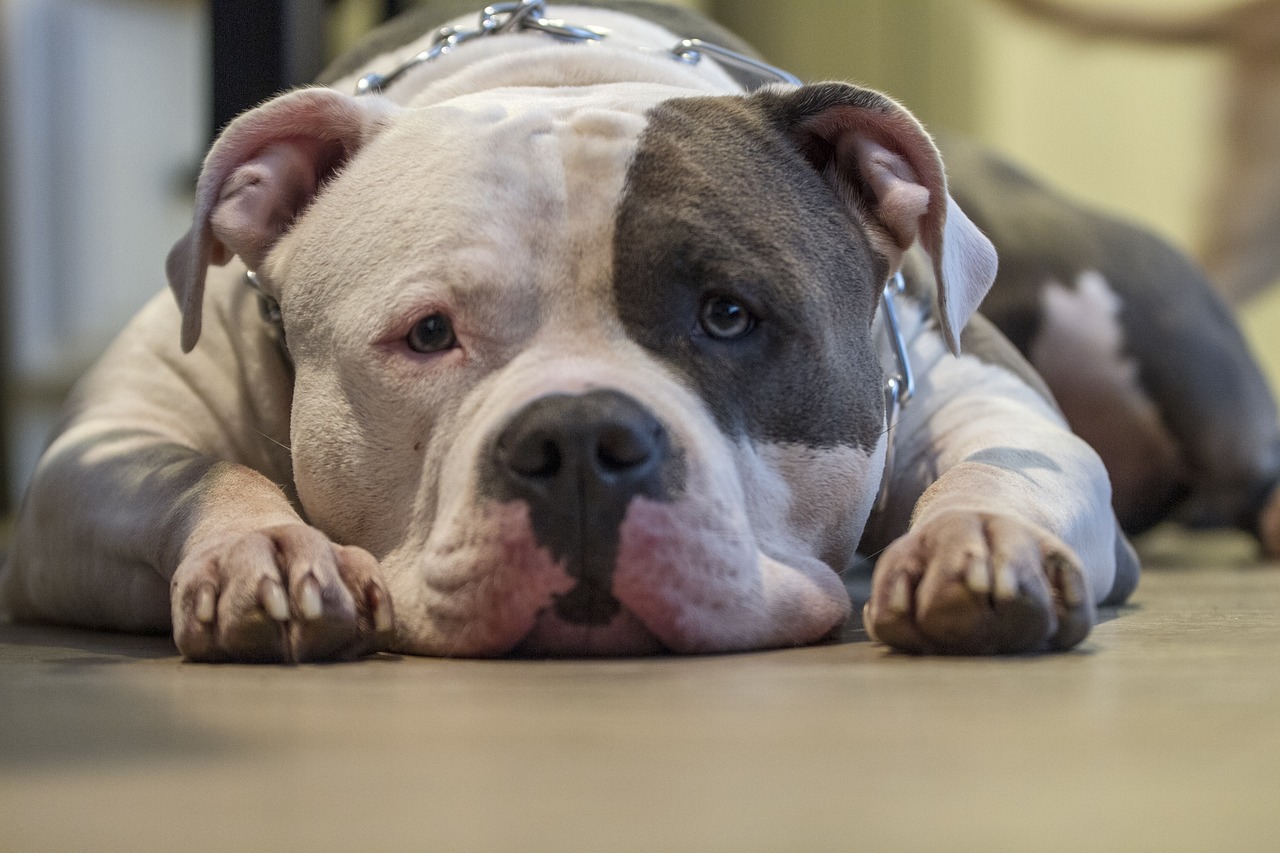
Image by Dillondygert from Pixabay
When this breed came to the United States with immigrants in the 1800s, farmers used it as a catch dog for semi-wild cattle and hogs, to drive livestock, and as a family companion. Unfortunately, this breed gained notoriety for its use in illegal dogfighting and led to breed-specific legislation in some areas.
The pitbull is a medium-sized, muscular breed known for its distinctive physical characteristics. It has a short, sleek coat that can come in various colors, including but not limited to shades of brown, black, white, and brindle. The head is broad, with a well-defined jawline and a distinctive furrowed brow.
Pitbulls have a stocky and athletic build: a deep chest, strong legs, and a powerful, whip-like tail. The breed standard calls for 17 to 21 inches at the shoulder and about 30 to 60 pounds, though some dogs run heavier depending on lineage and breeding. The eyes are round and expressive, and the ears may be natural or cropped.
It’s an intelligent, loyal, affectionate breed that loves pleasing the pet owner. These dogs are generally good with children and can be incredibly gentle when socialized and trained well.
Pitbulls are energetic and require regular exercise to keep them happy and healthy. They enjoy physical activities such as brisk walks, playtime, and agility training. Consequently, they can become restless and exhibit destructive behaviors due to inadequate exercise and mental stimulation.
Coyote
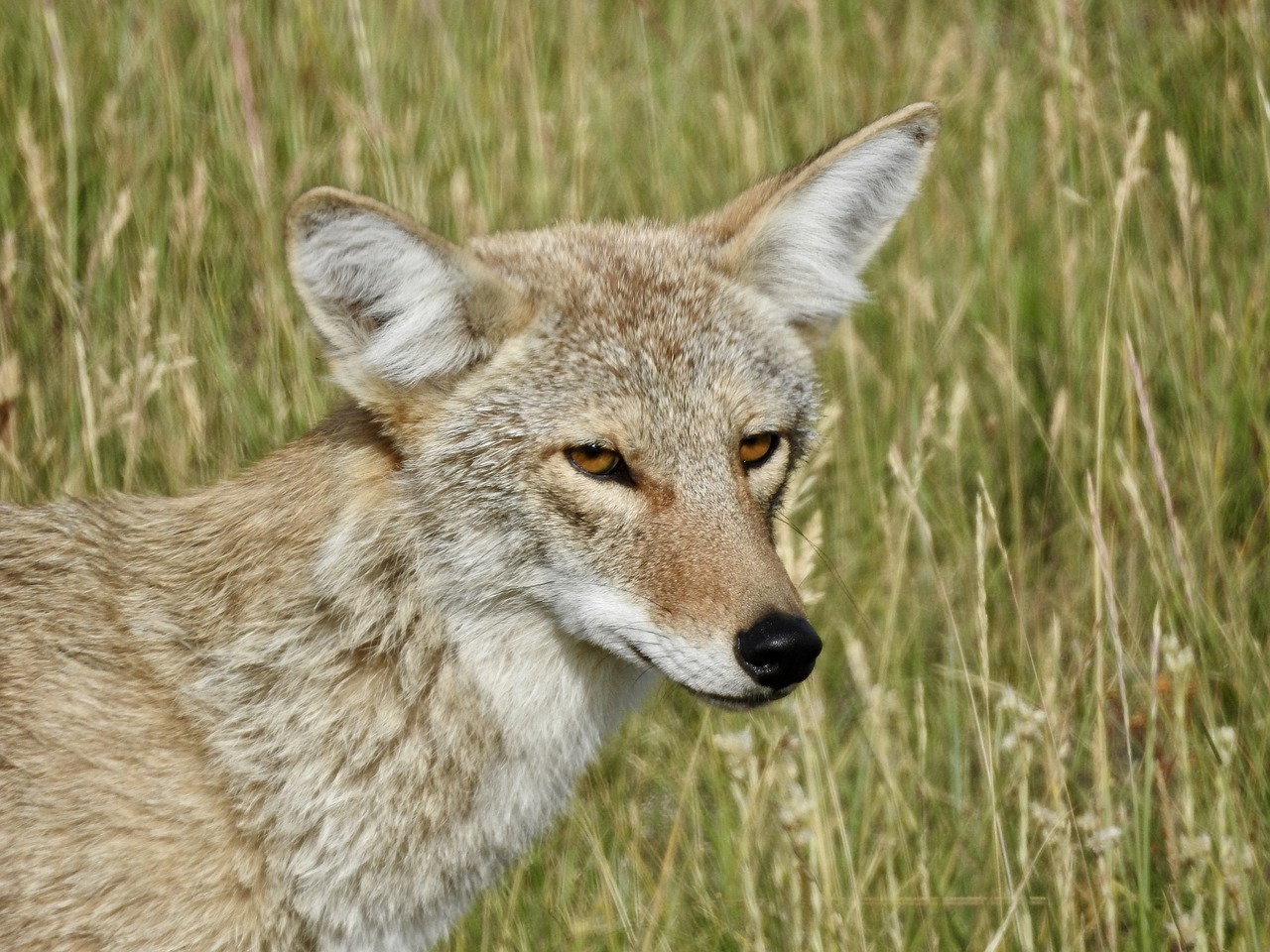
Image by Melanie from Pixabay
This wild animal, scientifically known as Canis latrans, has a long and storied history in North America. Native to the continent, coyotes lived across the arid West and Great Plains long before European settlement.
Before European settlement, Native American tribes had a deep cultural connection with these animals, incorporating them into their myths, folklore, and rituals. Coyotes adapted remarkably well to human presence and expansion, making them one of the few mid-sized carnivores that thrived alongside humans.
European settlers, perceiving them as pests, persecuted them heavily. Yet coyotes expanded their range dramatically after 1900, helped by the removal of wolves and the clearing of forests, and now live across most of North America.
Coyotes belong to the Canidae family, which includes a diverse range of canids, such as wolves, foxes, and domestic dogs. Within this family, coyotes are under the genus Canis, along with their larger relatives like gray wolves.
Coyotes display distinctive physical characteristics that set them apart from other canids.
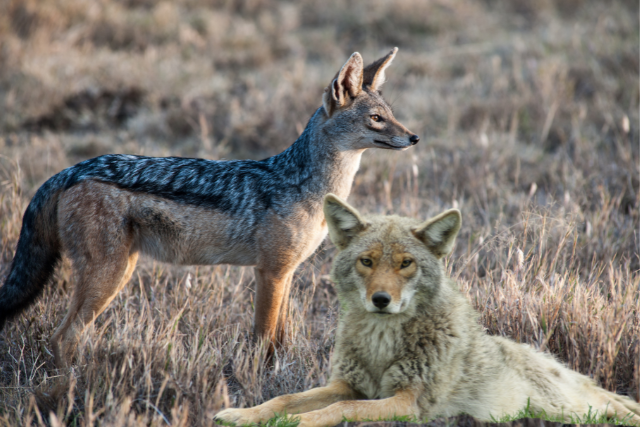
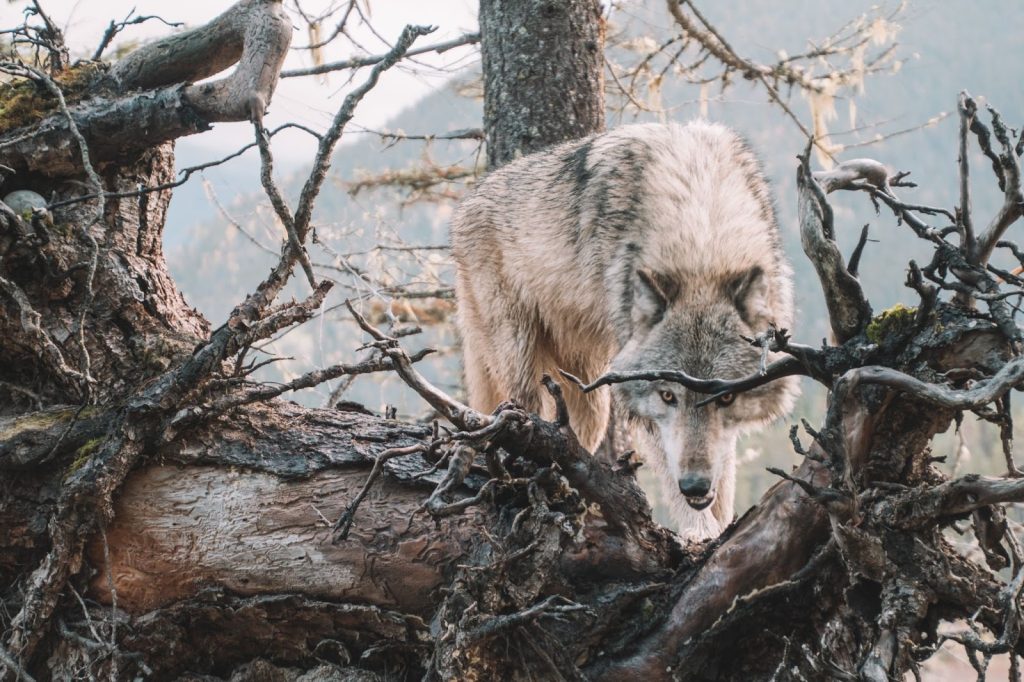
They’re medium-sized animals, with adult males weighing between 20 and 45 pounds, while females are slightly smaller. Their fur coloration varies widely, ranging from a grayish-brown to a reddish-brown hue, and their fur can change with the seasons. Coyotes have a bushy tail with a black tip, pointed ears, and a long, slender snout.
They’re primarily crepuscular and nocturnal, meaning they’re most active at dawn, dusk, or night. The coyote and human or dog relationship is complicated, with this wild animal always making the latest news for its attacks. Its remarkable sense of smell, sharp vision, and excellent hearing make it an effective predator and scavenger.
Coyotes are omnivorous, and their diet includes small mammals like rodents, rabbits, squirrels, birds, insects, fruits, and vegetation.
Characteristic of the Coydog Pitbull Mix: A Complete Guide
Now, let’s look at the physical appearance and behavioral traits of the cross-breed of pit bulls and coyotes. The physical appearance of this hybrid dog varies, influenced by the specific genes inherited from each parent. As such, the following are the general traits.
Size and Build
Coy dogs fall into the medium-sized category of dogs. Their height at the shoulder can range from 18 to 24 inches, and they usually weigh between 35 and 60 pounds. These figures are rough estimates, since few such hybrids have been documented. Their energy and wild ancestry make them a poor fit for apartments.
Coat and Fur
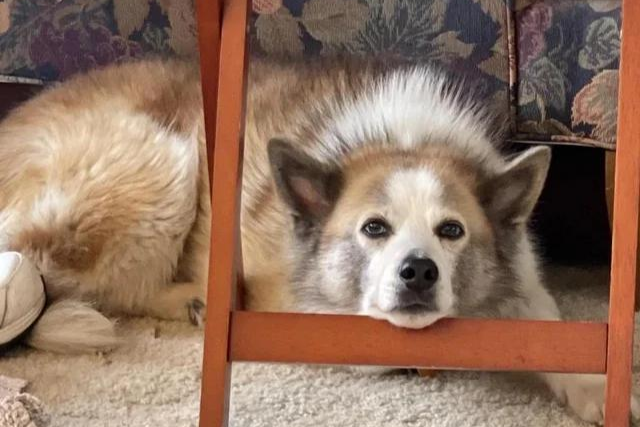
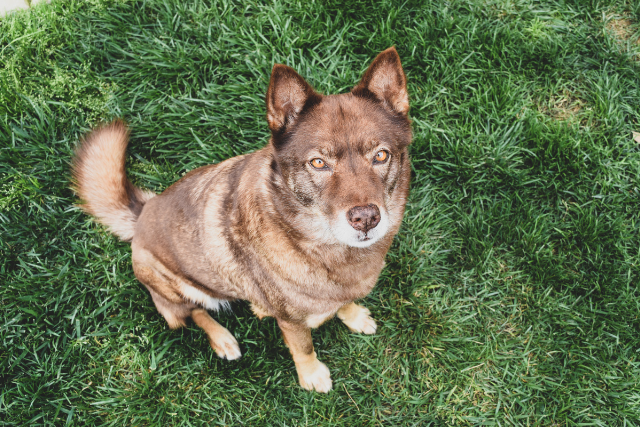
The coat of a coyote pitbull mix can vary significantly. Some individuals may inherit the short, sleek coat of the pitbull, while others may have a denser, coarser coat reminiscent of their coyote heritage. Coat colors can also vary widely and may include shades of brown, tan, gray, black, or even a mix of these colors. The genetics also influence the coat’s texture and length.
Their heads may display the muscular and square-shaped appearance associated with pitbulls, along with the distinctively pointed snout of a coyote. Further, their eyes are almond-shaped and can vary in color, ranging from brown to hazel.
A coydog pitbull mix may inherit the prominent ears of a coyote, giving it excellent hearing abilities. Its tail can be straight or slightly curled, with bushy fur towards the tip, echoing the coyote’s tail but often not as long or thick.
Temperament
These hybrids typically possess a strong, independent spirit inherited from their coyote parentage, but they also have the loyalty and affectionate nature of the pit bull. They require ample exercise to stay happy and healthy due to their active nature. A dog owner may notice territorial instincts, so proper training and socialization are essential.
Potential Health Concerns for the Coydog Pitbull Mix
While these hybrid dogs can be generally healthy, they may be prone to specific health issues that potential owners should be aware of. Here are some of the common health concerns:
Hip Dysplasia
It’s a genetic condition that affects the hip joints, causing pain and mobility issues. Pit bulls can be predisposed to hip dysplasia, and a hybrid may inherit that risk. Consequently, regular exercise and maintaining a healthy weight can help reduce the risk.
Skin Issues
Pit bulls are prone to skin issues, such as allergies and hot spots, and a hybrid may be too.
Gastrointestinal Sensitivity
Some pit bulls have sensitive stomachs and may pass this trait to coydogs. These digestive issues include food allergies and intolerances. Hence, feeding them a high-quality diet and monitoring their food intake can help manage this concern.
Eye Problems
Pit bulls may be susceptible to certain eye conditions, such as cataracts, and a hybrid may inherit that risk. Hence, regular eye examinations by a veterinarian can help detect and manage these issues.
Joint Problems
Pit bulls can be prone to joint issues like arthritis and may pass this vulnerability to their hybrid offspring.
Parasites and Zoonotic Diseases
Coyotes can carry distemper, parvo, mange, rabies, fleas, ticks, and worms. Keep any hybrid’s vaccines and parasite prevention current.
Conclusion
Pitbull-coyote mixes are rare, and their temperament is hard to predict. With experienced handling, training, and patience, a coydog can bond with its family. First, check your local laws and regulations before considering this extraordinary hybrid as your new pet.
Further, Coydogs may inherit health issues from their parent breeds. Hence, they require regular vet check-ups and a suitable diet.
FAQs
Are Pitbull-Coyote mixes legal as pets?
The legality of owning a hybrid as a pet varies by location. Some areas may have restrictions or bans on owning hybrids, so it’s crucial to check your local regulations before bringing one into your home.
Are coydogs aggressive?
Like any dog, a pitbull-coyote hybrid’s temperament largely depends on upbringing and socialization. Proper training and early exposure to various situations can help prevent aggressive behaviors. Their wild ancestry can also make them warier and harder to train than a typical dog.
What are the exercise requirements for coydogs?
These active dogs require a form of exercise daily. Activities such as brisk walks, playtime, and mental stimulation are essential to keep them happy and healthy.
Sources
- American Pit Bull Terrier Breed Standard, United Kennel Club
- Coyote Biology and Control in South Carolina, South Carolina Department of Natural Resources
- Canis latrans (coyote), Animal Diversity Web