Foxes
Fox Eye Color: Understanding the Genetics Behind Their Colors
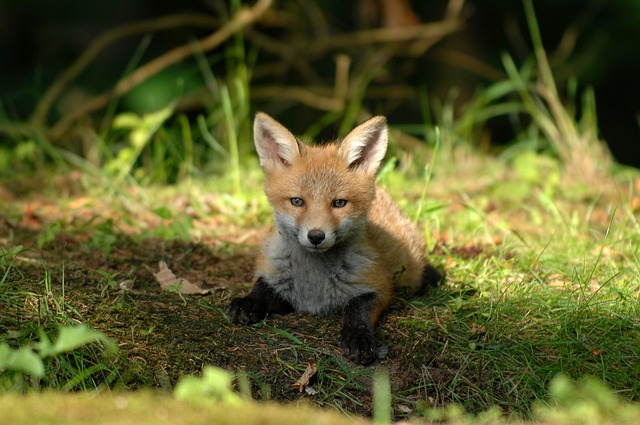
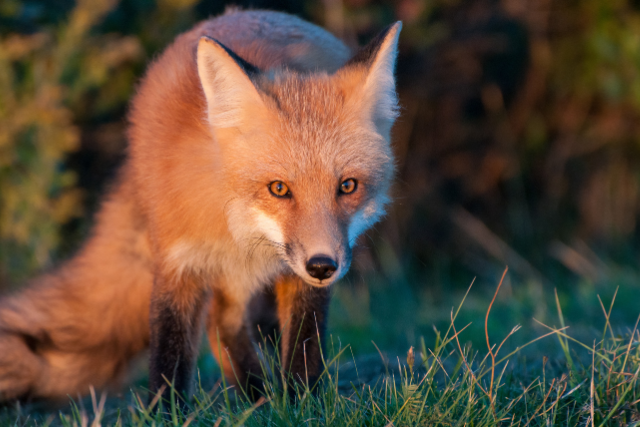
Fox eye color: kits open their eyes to blue, while adults have amber, yellow, or brown eyes. See the shade for red, Arctic, fennec, and gray foxes.

James is a renowned pet expert and author who has been writing about pets for over two decades. He is known for his deep understanding of animal behavior and has written extensively on pet training, health, and nutrition. James' love for animals started at a young age, and he has since devoted his life to helping pet owners care for their furry friends. In his spare time, John enjoys hiking with his dog and volunteering at local animal shelters.
Fox eye color: kits open their eyes to blue, while adults have amber, yellow, or brown eyes. See the shade for red, Arctic, fennec, and gray foxes.
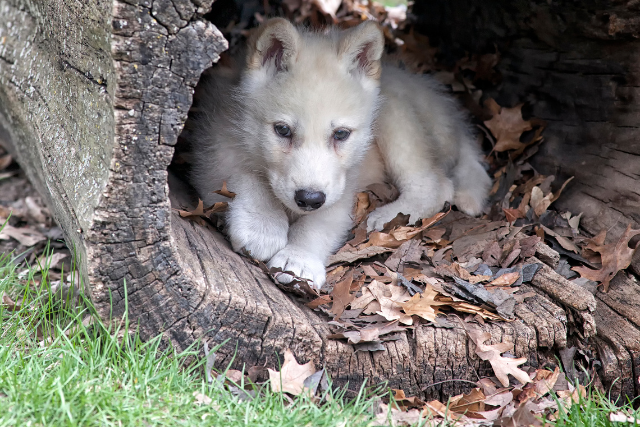
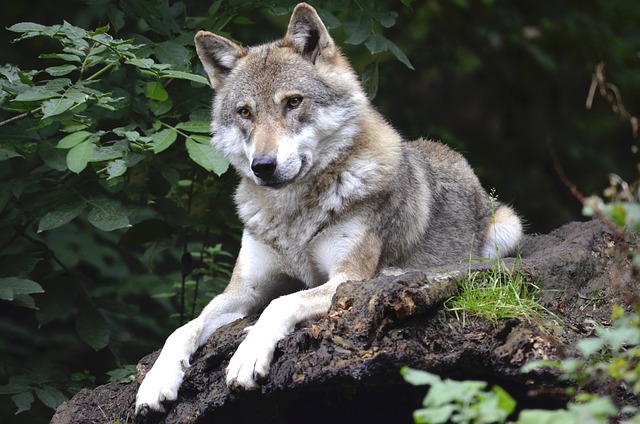
A baby wolf is called a pup, the same word used for puppies, not a cub. Read why, plus how wolf pups grow from birth in the den to leaving the pack.
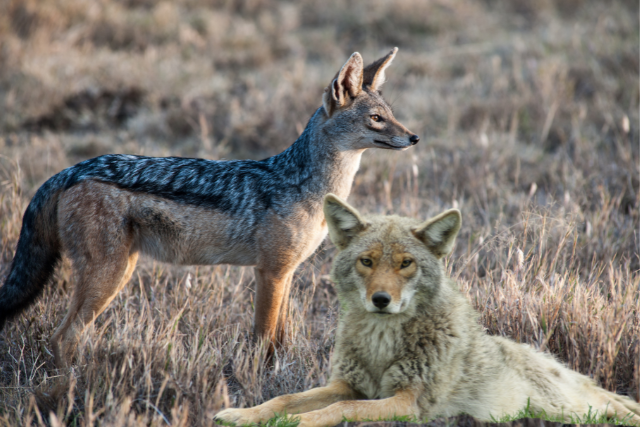
Jackal vs coyote: coyotes are larger at 20 to 50 pounds and live in the Americas, while jackals weigh 11 to 26 pounds and roam Africa and Asia.
Foxes symbolize cunning, adaptability, trickery, and transformation. What the fox means in Japanese, Chinese, African, and Native American lore.
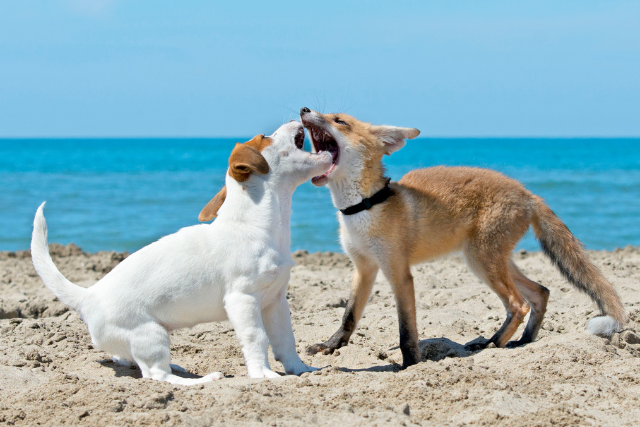
Can foxes breed with dogs? Only one hybrid is on record, with a pampas fox, not a true fox. See why chromosome gaps make fox-dog crosses so rare.
Do wolves eat coyotes? Rarely. Wolves often kill coyotes as rivals where their ranges overlap, but they seldom eat them, and coyotes adapt.
A Border Collie coyote mix, or coydog, is a rare cross that seldom happens in the wild. See its likely looks, health risks, lifespan, and laws.
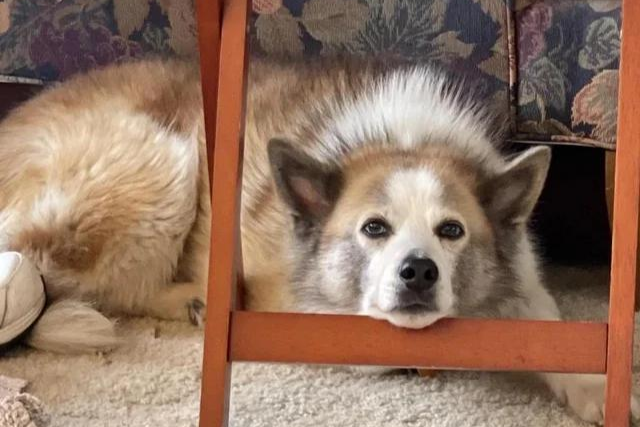
A coyote husky mix is a rare coydog with unpredictable looks and temperament. Learn its traits, health concerns, lifespan, and legal limits.
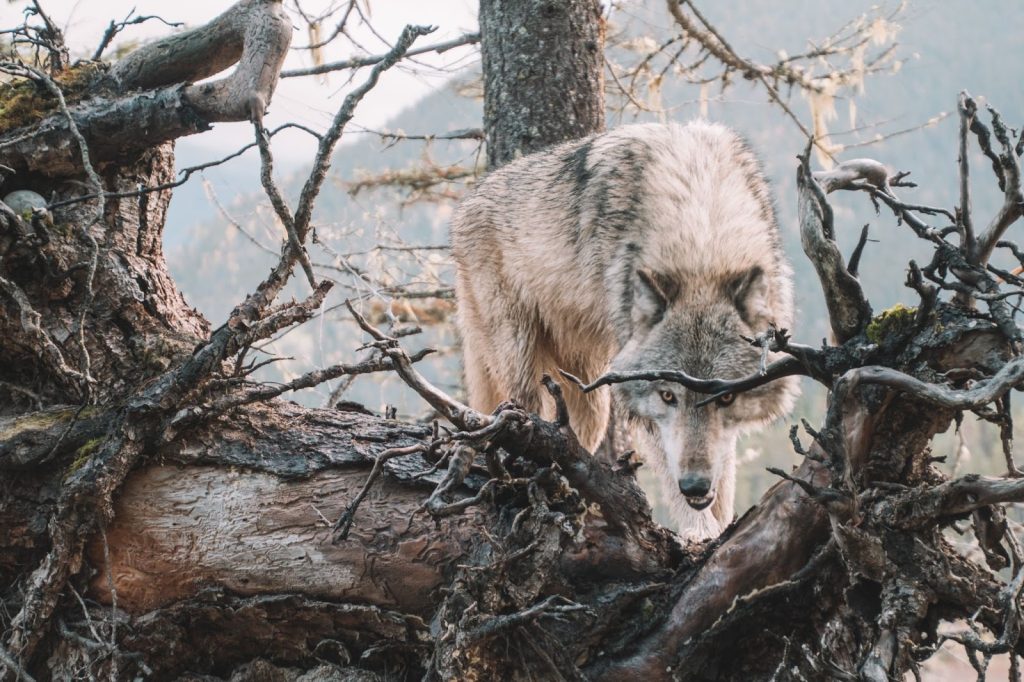
What eats wolves? Few animals do. Bears, Siberian tigers, mountain lions, and humans are the main wolf predators, and wolves will kill other wolves.
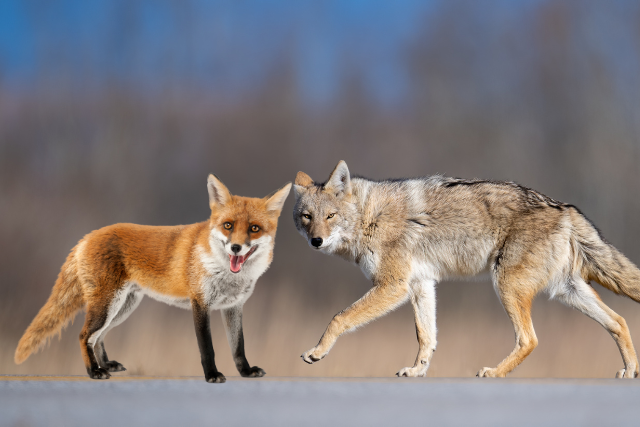
Coyote vs fox: coyotes weigh 20 to 50 pounds, red foxes 8 to 15. Tell them apart by size, color, tail, habitat, pack life, and calls.