Fox Eye Color: Understanding the Genetics Behind Their Colors
Contents
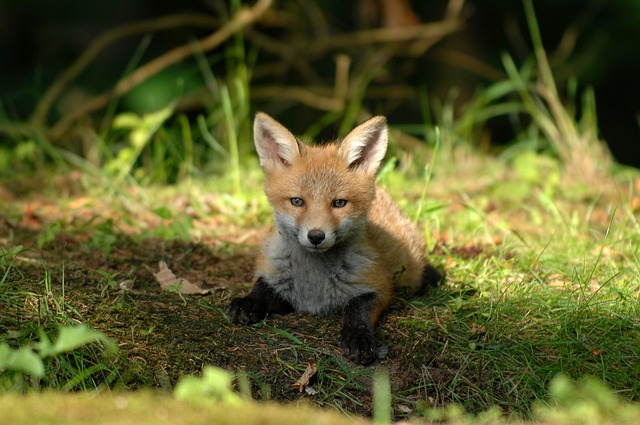
The fox is one animal that few know anything about. The most that some know is that it’s a cunning character in folklore. How much do you know about fox eye color? Foxes come in a few shades. Kits have blue eyes, while most adults have amber, yellow, or brown eyes.
Their eye shape has humans using eyeshadow on the outer corner to achieve a fox-eye look. In this article, we discuss the mystery behind this and describe the different colored eyes of foxes.
How Genetics Affect the Eyes of Foxes
The genetic basis of fox eye color involves a complex interplay of various genes. To understand this, think of the eyes of this species as having two main components: the iris and the tapetum lucidum. The iris is the colored part of the eye that surrounds the pupil and can range from dark brown to yellow or amber, and is blue in young kits.
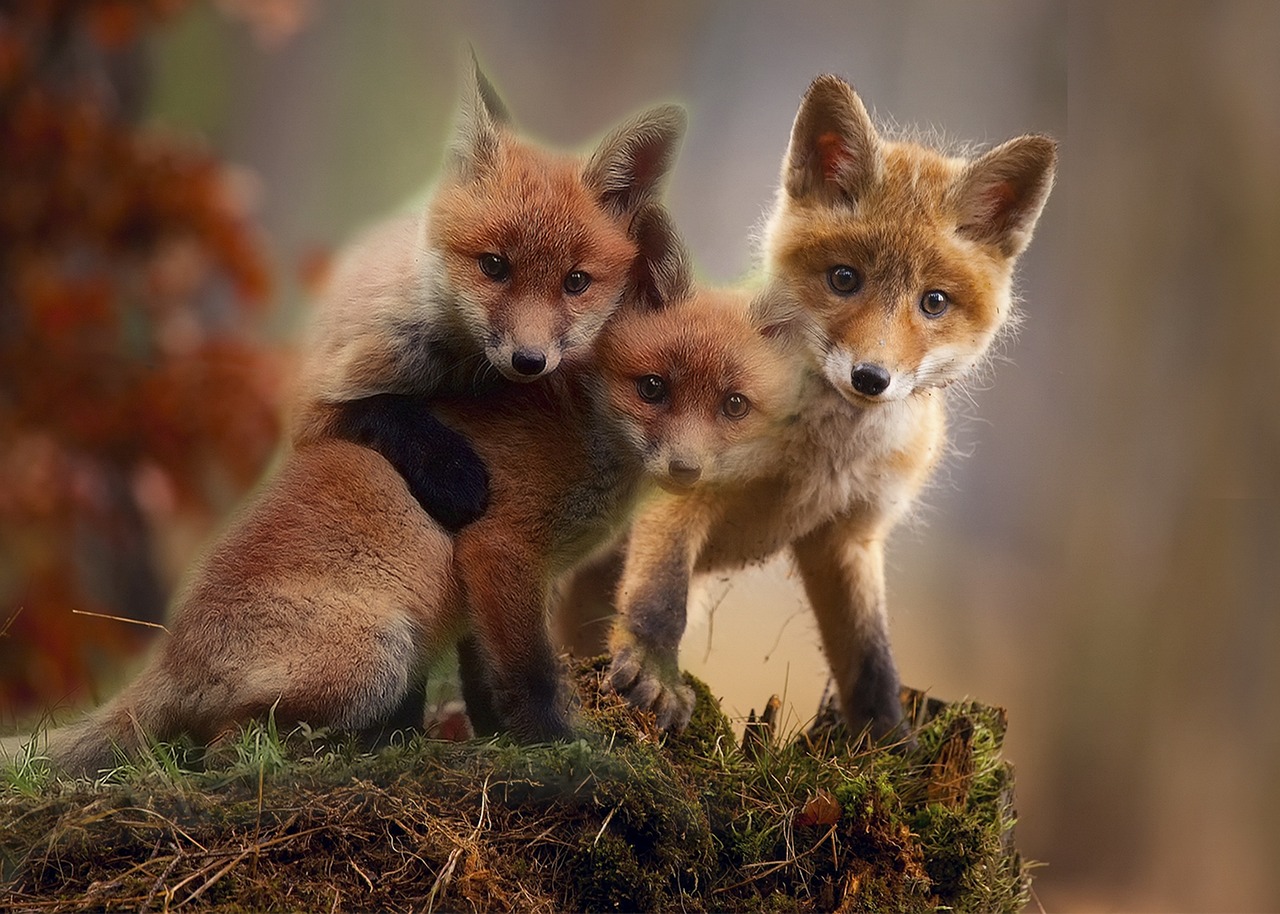
Image by Brigitte Werner from Pixabay
The tapetum lucidum, at the back of the eye, enhances night vision by reflecting light that passes through the retina. This reflective layer contributes to the glow seen in a fox’s eyes at night. It’s almost as mystical and fascinating as how the eyeshadow around the captivating eyes of Megan Fox enhances her allure.
In addition, like the way Megan Fox can change eyeshadow or lenses as often as she wants, some foxes have different color shades as kits. For instance, red fox cubs open their eyes to slate-blue irises that darken to amber between four and eight weeks old.
Eye color doesn't map neatly onto habitat, though. You can spot a red fox almost throughout North America, and adults of this species have yellow eyes whether they live in forests, farmland, or cities.
What helps a fox hunt is the eye's structure, not its color. Red foxes have vertically slit pupils like a cat's, and the tapetum lucidum boosts their vision at night.
On the other hand, the Arctic fox species inhabits the vast, icy expanses of the tundra. People often call some of these foxes "blue," but that name describes a color phase of the coat, not the eyes.
Like other foxes, Arctic fox kits start with bluish eyes that darken as they grow. Their survival in the harsh tundra owes far more to thick fur, compact bodies, and food caching than to eye color.
Types of Fox Eye Color: A Detailed Analysis
Foxes exhibit a captivating range of eye colors, each with unique charm and purpose. In the dark, fox eyes tend to have a glowing appearance. This phenomenon is due to the tapetum lucidum, which reflects incoming light, enhancing their night vision. The color of this reflected light can vary, creating a unique and eerie glow that is often greenish or yellowish.
Here, we delve into the various types, exploring the science behind them and their advantages in the wild, and explain the species likely to exhibit such coloration.
Brown Eyes
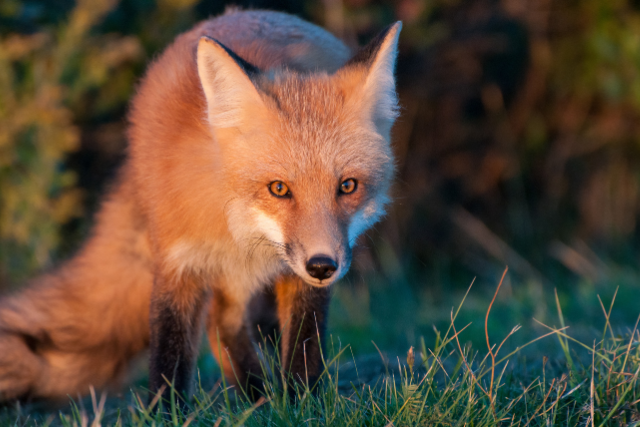
Brown, amber, and golden eye coloration is the most common among adult foxes. You may see a warm amber or yellow tone in red foxes. It’s probably the look humans want to achieve when they line the outer corner of their eyes with black eyeshadow. Eye color itself does little for camouflage, since a fox's coat does that job.
Below is one species known for these warm eye colors.
The Red Foxes (Vulpes vulpes)
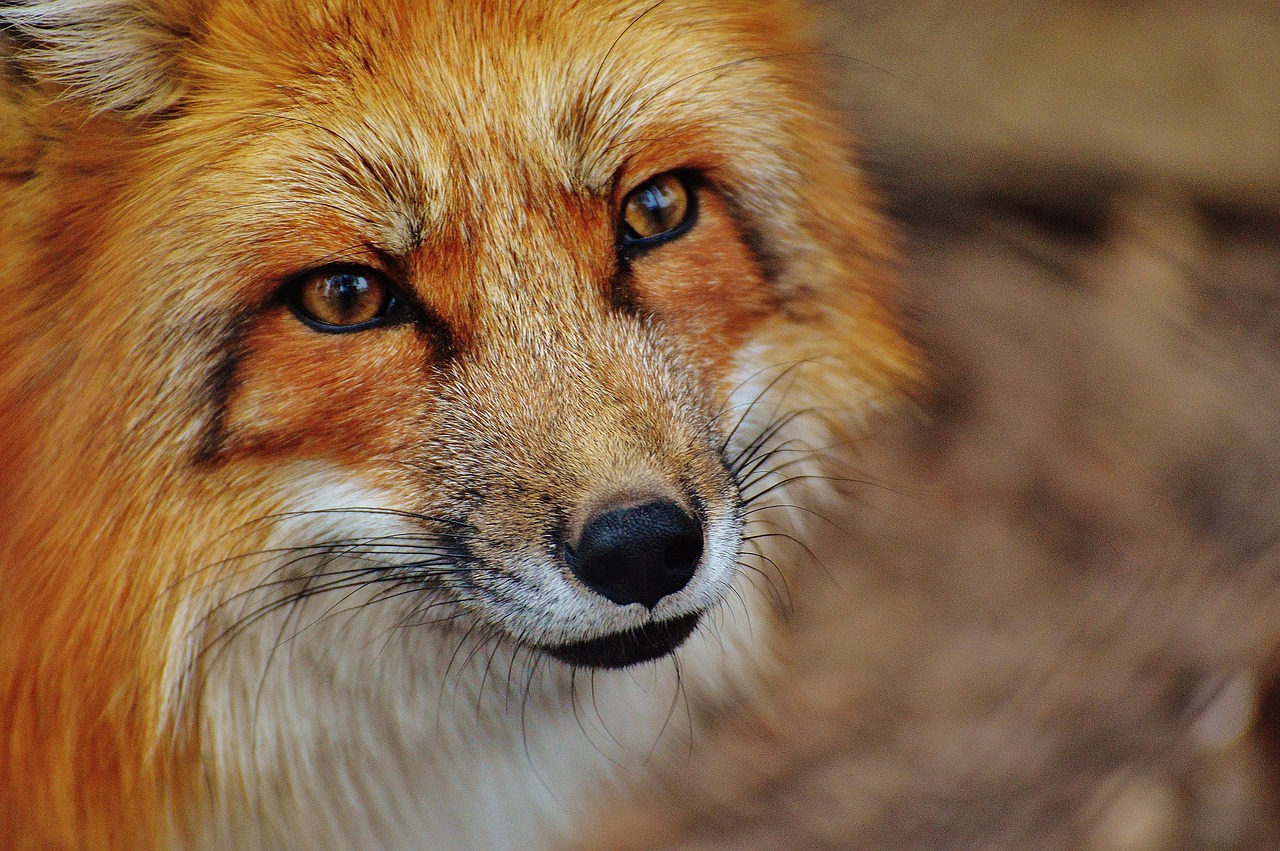
Image by Alexa from Pixabay
The red fox is one of the most widely recognized and adaptable members of the canid family, found throughout much of North America, Europe, Asia, and even parts of North Africa. Known for its cunning behavior and beautiful fur, the red fox exhibits remarkable traits and characteristics.
Red foxes have a set of striking physical features. Their fur is typically reddish-brown, although cross and silver fox morphs have different color shades. As such, the fur on the throat, chest, and belly tends to be white, creating a distinctive contrast.
Their bushy tail, or brush, often has a white tip, and it serves multiple purposes, including helping with balance and providing insulation during harsh winters.
Intriguingly, the red fox has different color shades with age, similar to the Corsac fox mentioned later.
When red fox kits are born, their eyes initially have a blue-gray or bluish hue. This temporary eye coloration is due to the absence of pigments in the iris. However, as they grow and mature, their eyes transform. By adulthood, their eyes have a stunning shade of amber, yellow, brown, or gold.
As opportunistic omnivores, they have a diverse diet that includes small mammals, birds, insects, fruits, and even scavenged food. Their cunning hunting strategies involve stalking, pouncing, or even caching food for later consumption. They’re solitary creatures. Therefore, each individual maintains a territory that can span several square miles.
Another remarkable aspect of red foxes is their ability to communicate. They have many vocalizations, including barks, screams, and high-pitched squeals.
Blue Eyes
If Megan Fox has blue eyes, she’s among about 10% of the human population with such shade.
Animals also have blue eye shade. In foxes, blue eyes belong mainly to the young.
Arctic foxes are often linked with this color, mostly because of their blue coat phase. In humans, the Tyndall scattering, similar to how the sky is blue due to Rayleigh scattering, causes blue eyes. What about foxes?
In fox kits, the cause is similar. Newborn irises hold little pigment, so they scatter blue light until melanin builds up over the first weeks of life.
Baby foxes, also known as kits, open their eyes to a blue color. This eye color is typical during their early stages of life and gradually changes as they mature into the adult shade for their species. Here is the fox species most often linked with blue eyes.
Arctic Foxes (Vulpes lagopus)
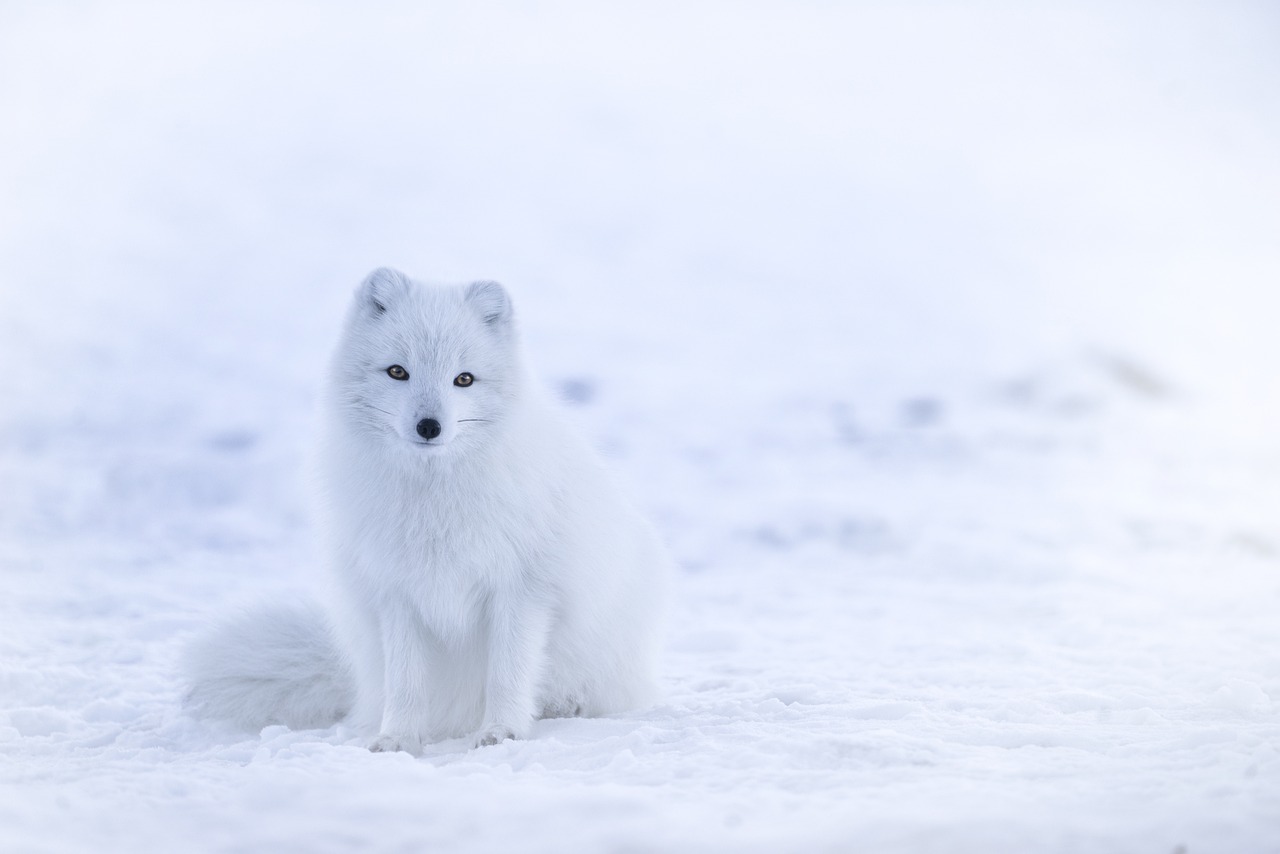
Image by StockSnap from Pixabay
The other name for this species is the white fox or polar fox. It’s a highly adapted species native to the Arctic regions of North America, Europe, and Asia. These resilient creatures are well-suited to their harsh and frigid environments, boasting several fascinating characteristics.
One of the most striking features of the Arctic fox is its seasonal coat variation, which enables it to blend into its surroundings. The fur turns a pristine white to camouflage against the snow during winter. On the other hand, in the summer, it changes to a brown or grayish-brown color to match the tundra landscape.
In addition to the white coat, there is a blue color phase, which is more common on Alaska's Aleutian and Pribilof Islands. That bluish-gray coat, not the eyes, is where the "blue fox" name comes from.
Adult Arctic foxes usually have dark, brownish eyes that stand out against their fluffy, white winter coats. Blue eyes are mainly seen in young kits.
Their eyes also have a tapetum lucidum, which helps them see in low light since they’re opportunistic predators.
Their diet includes small mammals, birds, fish, and carrion. These adaptable creatures have also developed a keen sense of hearing, which helps them locate prey under the snow.
Green Eyes
Green irises are not well documented in foxes. The green most people see is eyeshine, the glow from the tapetum lucidum when light hits a fox's eyes at night.
The National Park Service notes that a taller adult fox's eyeshine mostly looks yellow or orange, while shorter kits reflect blue or green.
Amber Eyes
Amber eyes are a golden or yellowish-brown shade. This eye color shows up in several fox species and in individuals within populations. The following species are worth comparing:
Fennec Foxes (Vulpes zerda)
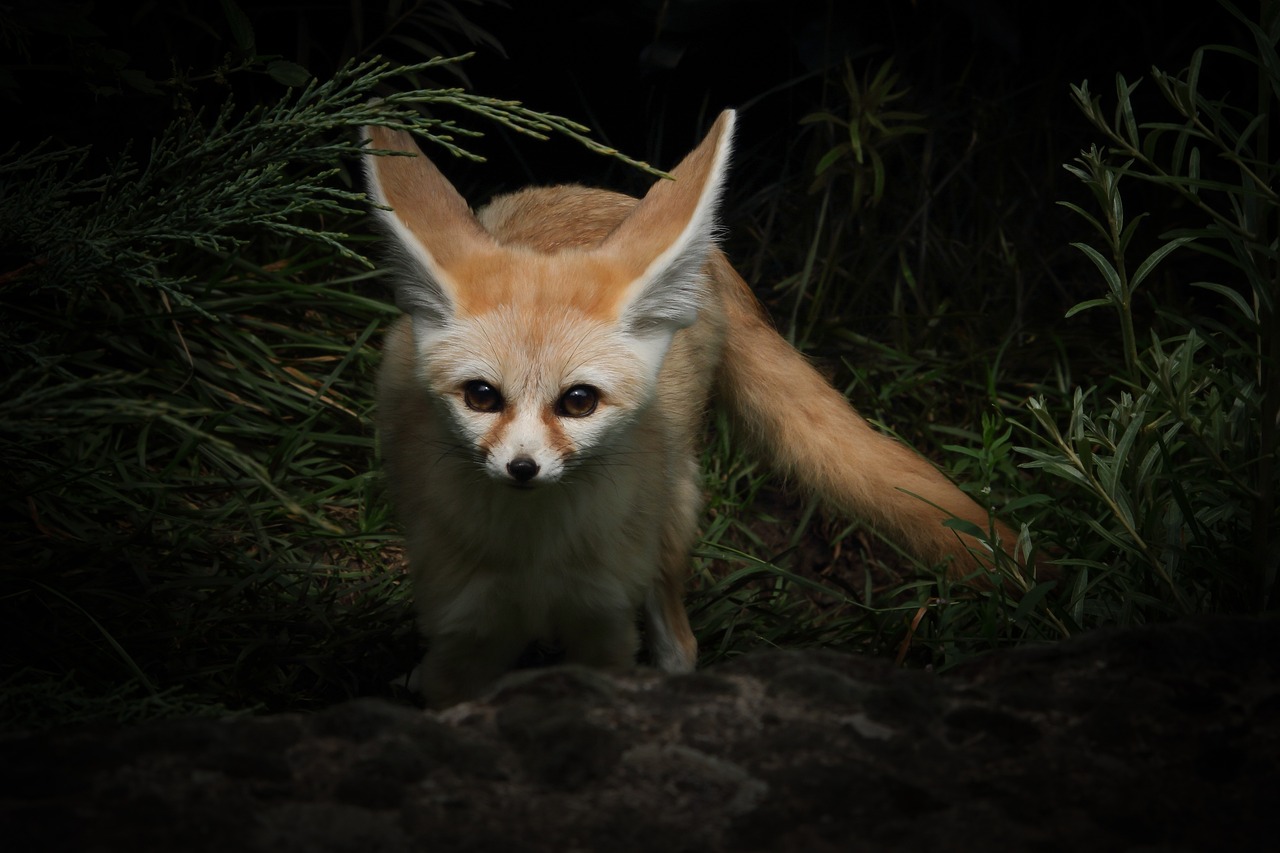
Image by Winkelmann from Pixabay
These small, desert-dwelling canids have striking and distinctive physical features, including unique eye coloration. Unlike the other foxes in this group, an adult fennec fox has large, dark eyes.
These foxes live in the arid regions of North Africa, where they avoid strong sunlight and harsh desert heat by resting in burrows during the day.
Corsac Foxes (Vulpes corsac)
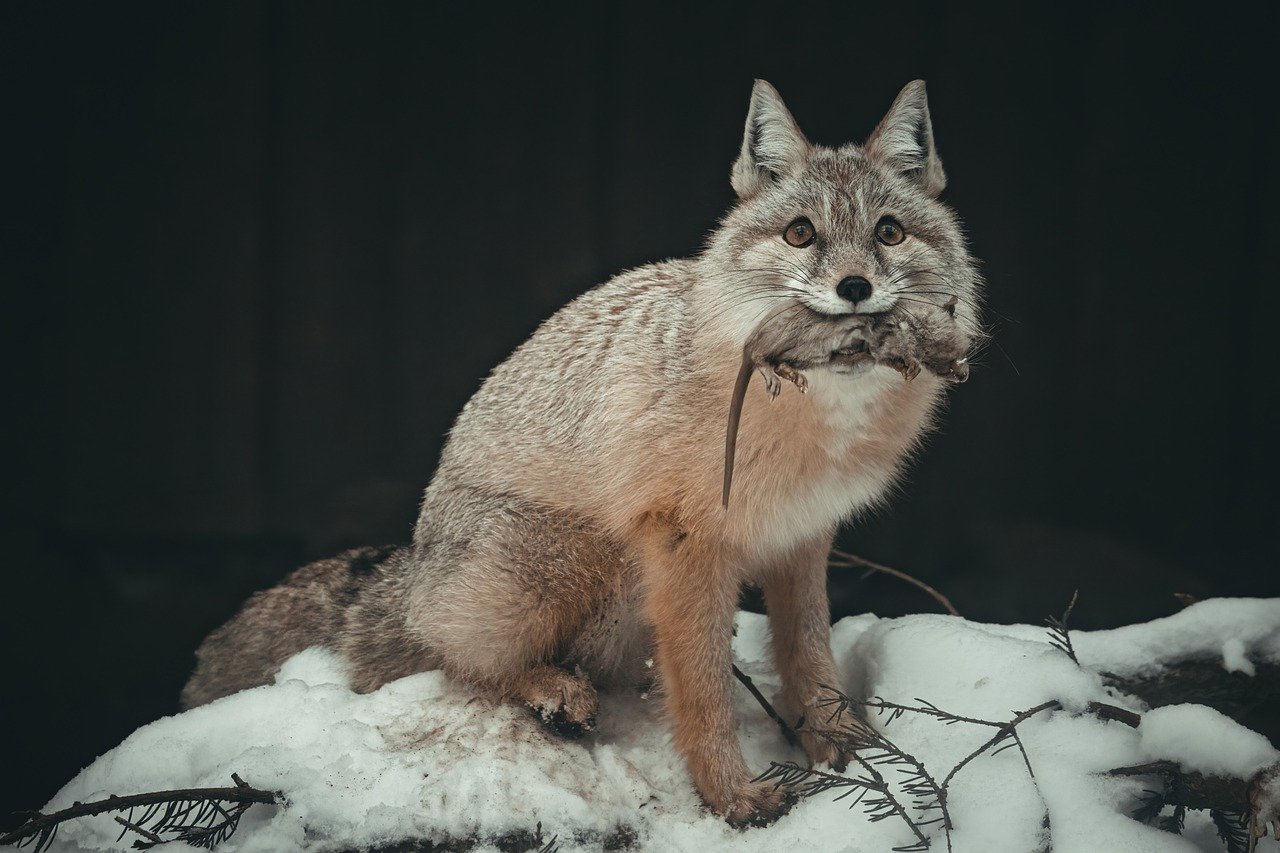
Image by Jevgeni Fil from Pixabay
They are small canids inhabiting various regions of Central Asia, such as China, Mongolia, Kazakhstan, and Russia. Their captivating eye color undergoes a remarkable transformation as they age.
Newborn Corsac foxes, like many mammals, begin life with their eyes tightly shut and a bluish or blue-gray hue in their irises. This initial eye coloration comes from the absence of pigments in their developing eyes, a common characteristic in the early stages of mammalian life.
As these young Corsac foxes grow and mature, their eyes gradually transition from the initial bluish tones to a final eye color, a striking shade of yellow or amber. The resulting amber or yellow eyes contribute to the distinctive appearance of these remarkable creatures as they navigate the Central Asian steppes.
Swift Foxes (Vulpes velox)
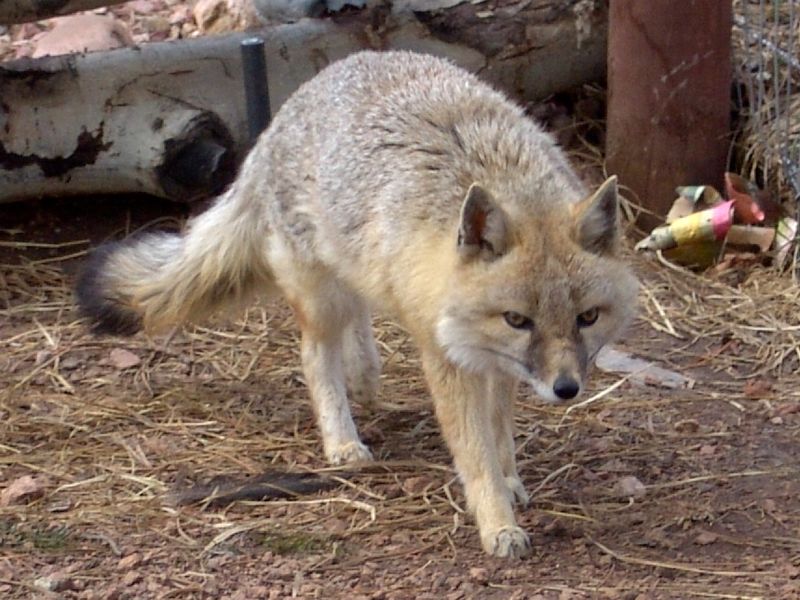
Image Abujoy from Wikipedia
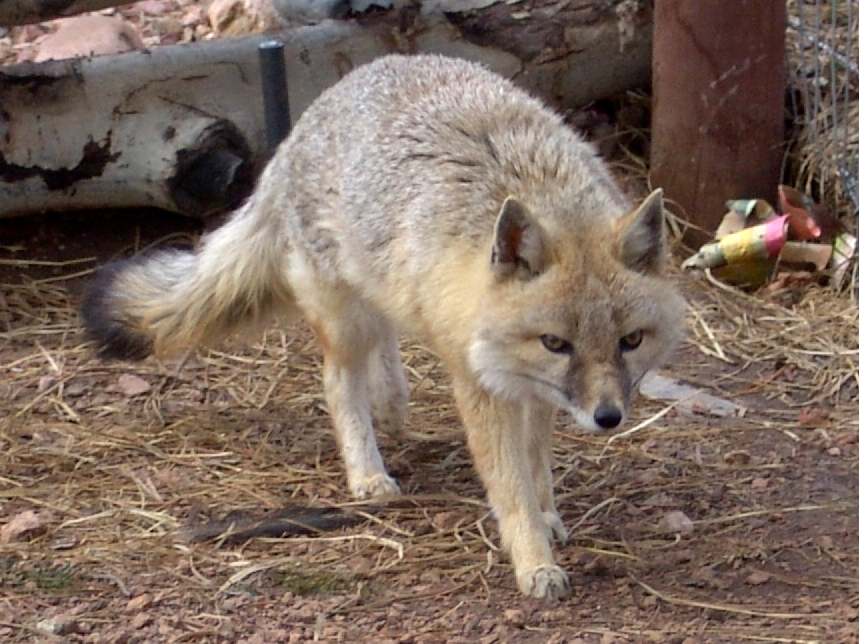
This small, elusive canid is native to the grasslands and prairies of North America. It has remarkable adaptability to many habitats, from arid desert regions to grassy plains. One notable feature of swift foxes is their captivating eye color, which adds to their unique charm.
They have striking, large eyes adapted for their crepuscular and nocturnal lifestyles. These eyes are well-suited for low-light conditions, allowing them to hunt and navigate effectively during dawn, dusk, and nighttime. The iris of a swift fox’s eye is often a beautiful shade of golden-yellow or deep amber.
In addition to amber eyes, swift foxes exhibit several other striking traits and characteristics. They’re among the smallest wild canids in North America, standing about 12 inches tall and weighing roughly 4 to 6.5 pounds.
Their fur is predominantly gray with a paler underside and a black-tipped tail. Swift foxes have swift and agile movements for hunting small mammals, birds, insects, and even some plant matter.
Despite their adaptability and resourcefulness, swift foxes face various conservation challenges due to habitat loss and fragmentation.
Gray Foxes (Urocyon cinereoargenteus)
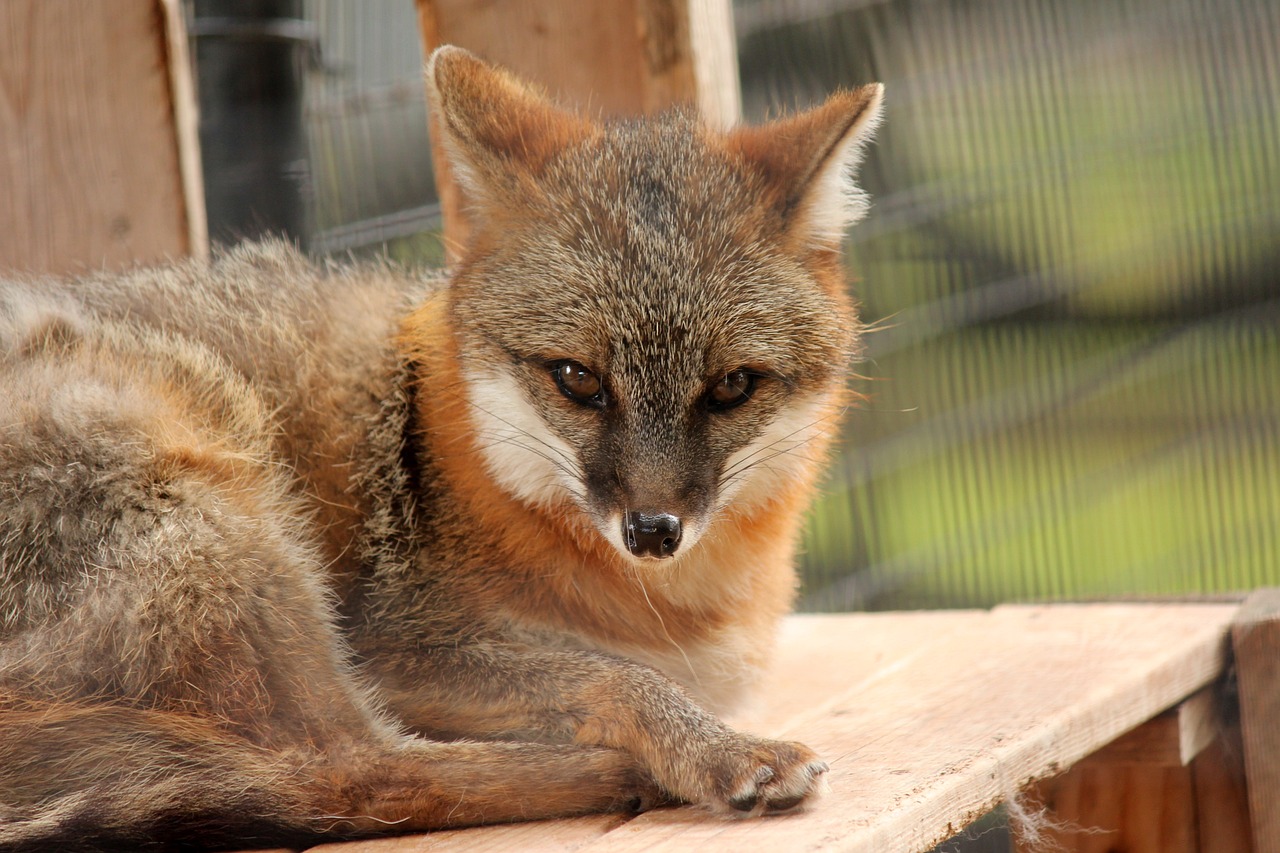
Image by Nichole from Pixabay
This fascinating and adaptable species is native to North and Central America. Unlike most other fox species, the gray fox boasts a unique combination of physical characteristics and behaviors that set it apart. One distinctive feature of the gray fox is its eye coloration, which, unlike the name suggests, doesn’t play a prominent role in its nomenclature.
Gray foxes’ eyes have shades of amber or orange, with oval pupils instead of the slit pupils of a red fox. It’s the defining characteristic of adult individuals and stands out vividly against their grayish fur, often adorned with a tinge of reddish-brown and white markings. These foxes are of medium size, with bushy tails sporting a distinctive black stripe running along the upper surface.
Another notable trait is their semi-retractable claws, a feature they share with the closely related island fox. These creatures are highly adaptable omnivores with a diet that includes small mammals, birds, insects, fruits, and carrion.
They’re excellent climbers, thanks to their sharp claws, and can be found in many habitats, from forests and woodlands to urban areas and desert scrublands. Gray foxes love their solitary nature and nocturnal habits, making them elusive and less frequently observed than other species.
Conclusion
Fox eye color is a captivating facet of these remarkable creatures, reflecting their genetic history and adaptation to diverse environments. Understanding the genetics and significance of fox eye color adds a layer of wonder to the already fascinating world of these cunning and adaptable creatures.
Many humans want to achieve the mystical shape of fox eyes, and they line the outer corner of their eyes with eyeshadow. With the detailed explanation of fox eye shades above, you know the species to imitate based on your eye coloration.
FAQs
What color are fox eyes at night?
Fox’s eyes appear to glow at night because of the tapetum lucidum, creating a greenish or yellowish reflection in low-light conditions, which helps enhance their night vision.
What color eyes do red foxes have?
Adult red foxes typically have yellow to amber eyes with vertically slit pupils, which help them hunt in their forested habitats and other settings, day or night.
What is the rarest fox color?
There is no good data on the rarest fox eye color. True green irises are rarely documented; the green glow people notice at night is eyeshine. Blue eyes are normal mainly in young kits.
Sources
- Specimen of the Month: the Red Fox, Horniman Museum and Gardens
- Species Spotlight: Red Fox, National Park Service
- Vulpes vulpes (red fox), Animal Diversity Web
- Arctic Fox Species Profile, Alaska Department of Fish and Game