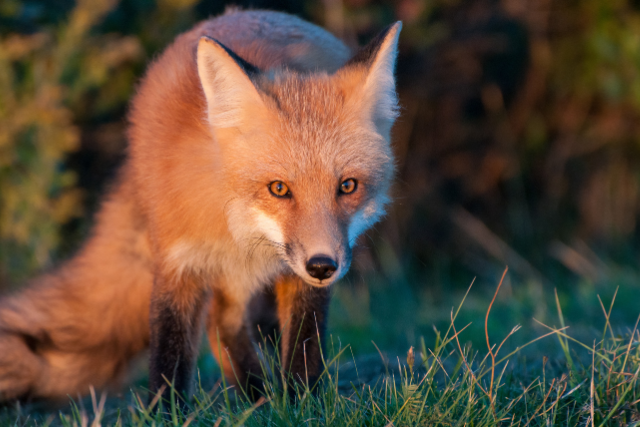
Why Do Foxes Kill Chickens and Leave Them? (Prevention)

Contents
- The Predator-Prey Relationship Between Foxes And Chickens
- The Instincts Of A Predator
- The Hunger Factor
- The Play Factor
- The Number of Chickens Factor
- The Breeding Factor
- The Disturbance Factor
- Do Foxes Attack Chickens In Daylight Or At Night?
- How To Protect Chickens From Foxes
- Building A Strong Chicken Coop
- Using Electric Fencing
- Using Motion-Activated Lights And Alarms
- Keeping The Area Around The Chicken Coop Clear
- Using Guard Dogs
- What To Do If A Fox Attacks Your Chickens?
- Secure Your Coop
- Install A Fence
- Use Deterrents
- Train Your Chickens
- Be Vigilant
- Conclusion
- FAQs
- Do foxes only kill chickens for food?
- What time of day are foxes most active?
- Will a fox come back for a chicken it left behind?
- Can a guard dog protect chickens from foxes?
- How can I prevent foxes from entering my chicken coop?
- Sources
If you are a farmer or a backyard chicken enthusiast, then you have probably experienced the devastating loss of your feathered friends to predators.
Foxes, in particular, are known for their chicken-killing tendencies, but what may surprise you is that sometimes they kill chickens and leave them behind. This behavior may seem strange and confusing, but there are several reasons why it occurs.
Let’s explore why foxes kill chickens and leave them and what you can do to protect your flock.
The Predator-Prey Relationship Between Foxes And Chickens
Foxes are natural predators of chickens, and the two species have coexisted for centuries. This relationship is a classic example of predator-prey dynamics, where one species hunts and kills the other for food.
Foxes are opportunistic predators and will hunt and eat any small animal they can catch, including rabbits, squirrels, and birds.
The Instincts Of A Predator
Predators are hard-wired to hunt and kill, and it’s a natural behavior for them. Foxes are no exception, and they have an innate drive to hunt and kill prey. This instinct is so strong that they will continue to kill even when they are not hungry.
The Hunger Factor
One of the primary reasons why foxes kill and leave is hunger. Foxes will often kill more than they can eat in one sitting, a behavior biologists call surplus killing. They carry kills away and bury uneaten parts in caches, then come back to them when they are hungry again.
The Play Factor
People often assume foxes kill chickens for fun, but the real trigger is the situation. In the wild, prey scatters after an attack. Penned chickens can’t escape and keep flapping and running, which sets off the fox’s attack response again and again.
The Number of Chickens Factor
If there are multiple chickens in a flock, a fox may kill more than one chicken but can only carry one at a time. It may remove several birds in a single raid, making trips back and forth, and leave the rest if it is disturbed.
The Breeding Factor
During the breeding season, foxes need to eat more food to sustain themselves and their young. Maryland Extension notes foxes are often more of a problem in spring, when they are raising young and other food is scarce, so they may kill more chickens than usual and cache them for later.
The Disturbance Factor
If a fox is interrupted by a person, a dog, or the noise of the flock, it will run off and leave its kills behind. It may come back later to collect them if they are still there.
Do Foxes Attack Chickens In Daylight Or At Night?
Foxes are known to attack chickens both during the day and at night. However, their behavior can vary depending on the region and time of year.
Foxes may stake out a coop for several days before they attack, and most raids happen at night or around dawn and dusk.
During the spring and early summer, foxes may hunt during the day to feed their young. That is when daytime attacks on free-ranging hens are most common.
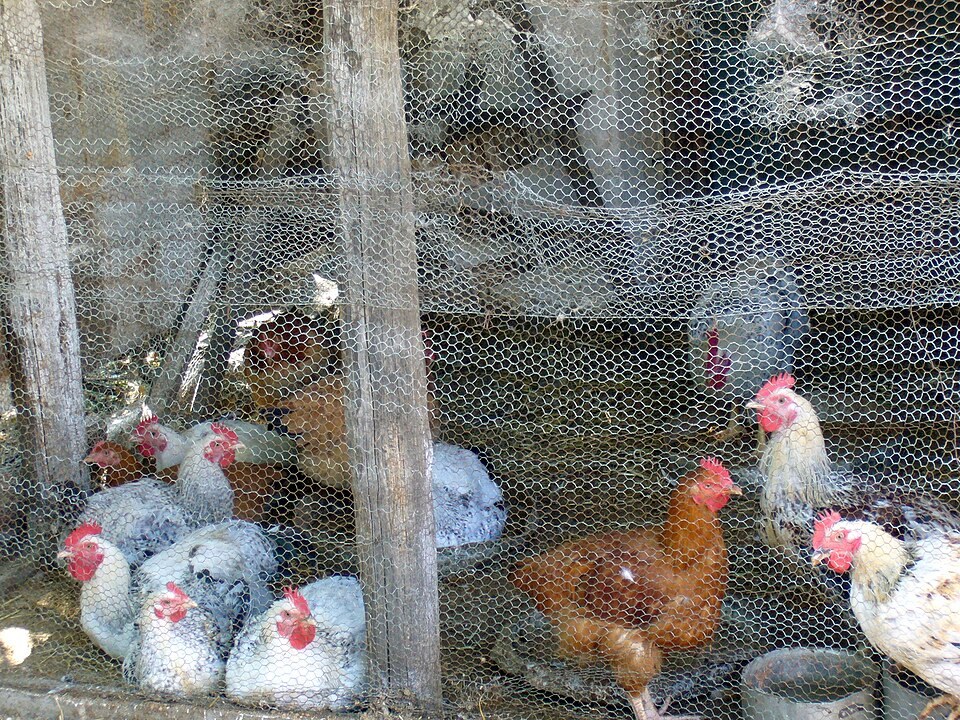
Photo by Cacycle, Public domain, via Wikimedia Commons
How To Protect Chickens From Foxes
Building A Strong Chicken Coop
One of the most effective ways to protect your chickens from foxes is to build a strong and secure chicken coop.
The coop should be made of sturdy materials, such as wood or metal, with a solid roof so foxes can’t climb in from above. A solid floor, or wire buried around the base, stops them from digging their way into the coop.
Additionally, you should ensure that the coop has a secure door that can be locked at night. Some predators can open simple latches, so use a lock rather than a hook or slide bolt.
Using Electric Fencing
Electric fencing is another effective way to protect your chickens from foxes. Electric fencing can be set up around the chicken coop to prevent foxes from getting too close to the chickens. Electric netting made for poultry can work well, as long as an adequate charge is maintained along the whole fence line.
Electric fencing can be powered by either a battery or a solar panel, and it should be checked regularly to ensure that it is functioning correctly. It is also crucial to make sure that the fence is properly grounded, or it will not deliver a strong enough shock, and to keep grass trimmed so it doesn’t drain the charge.
Using Motion-Activated Lights And Alarms
Motion-activated lights and alarms can also be effective in keeping foxes away from your chickens. These devices work by detecting motion and emitting a loud noise or flashing light that scares away the predator.
Motion-activated lights and alarms can be placed around the chicken coop and should be set up in a way that they are not triggered by other animals or objects.
Keeping The Area Around The Chicken Coop Clear
Keeping the area around the chicken coop clear is also crucial in preventing foxes from getting too close to the chickens.
Foxes are known to be attracted to areas with tall grass, brush, and debris. Therefore, it is crucial to keep the area around the chicken coop well-maintained and free of any debris.
Additionally, it is crucial to remove any food or water sources around the chicken coop that may attract foxes. This includes bird feeders, compost piles, and garbage cans.
Using Guard Dogs
Guard dogs can also be an effective way to protect chickens from foxes. Guard dogs can be trained to patrol the area around the chicken coop and scare away any predators. It is crucial to choose a breed of dog that is known for its protective instincts, such as a Great Pyrenees or Anatolian Shepherd.
What To Do If A Fox Attacks Your Chickens?
Secure Your Coop
The first step in preventing fox attacks is to secure your coop. Foxes are very crafty and can easily find their way into a poorly constructed coop. Make sure that your coop is sturdy and made of strong materials.
Check for any holes or gaps in the walls or roof and patch them up immediately. Use hardware cloth to cover all openings, including windows and ventilation holes, since ordinary chicken wire keeps chickens in but does not keep predators out.
Install A Fence
In addition to securing your coop, it’s important to have a fence around your chicken run. This will provide an extra layer of protection for your chickens.
Foxes can climb, so Alabama Extension recommends a fence at least 5 feet tall, with the bottom buried 1 to 2 feet and an apron of wire extending at least 12 inches outward to prevent digging. Use wire mesh fencing with openings of 3 inches or less.
Use Deterrents
There are several deterrents that you can use to keep foxes away from your chickens. One of the most effective is an electric fence.
This will give foxes a shock if they try to climb over or dig under the fence. You can also use motion-activated lights and sound machines to scare off foxes.
Train Your Chickens
Believe it or not, you can train your chickens to be more aware of predators like foxes. By providing them with a safe place to hide, such as a covered run or coop, they will learn to seek shelter when they sense danger.
You can also train them to come when called, which can help keep them safe if they stray too far from the coop.
Be Vigilant
Finally, it’s important to be vigilant when it comes to fox attacks. Keep an eye out for any signs of a fox in the area, such as tracks or droppings. If you do see a fox, try to scare it away by making loud noises or spraying it with water.
If a fox does manage to attack your chickens, separate the injured birds from the rest of the flock and seek veterinary care immediately.
Conclusion
Foxes are natural predators of chickens, and killing them is part of their instinctual behavior. While it may seem strange that foxes sometimes leave chickens behind, there are several reasons why this happens. Understanding why foxes kill chickens and leave them can help you protect your flock and minimize losses.
FAQs
Do foxes only kill chickens for food?
Mostly, yes. Foxes kill more than they can eat because trapped chickens keep triggering their attack instinct, and they plan to cache the extras. Kills are left behind when the fox is disturbed or can’t carry them all.
What time of day are foxes most active?
Foxes are most active at night, but they can also be active during the day.
Will a fox come back for a chicken it left behind?
It’s possible that a fox may come back for a chicken it left behind if it’s hungry, but it’s not guaranteed.
Can a guard dog protect chickens from foxes?
Yes, a well-trained guard dog can protect chickens from predators, including foxes.
How can I prevent foxes from entering my chicken coop?
Secure your chicken coop and run with strong wire mesh and locks to prevent foxes from entering. Also, clear away any vegetation or debris around the coop and run to eliminate hiding spots for foxes.
Sources
- Identifying and Preventing Poultry Predators in the Mid-Atlantic, University of Maryland Extension
- Identification and Management of Foxes in Alabama, Alabama Cooperative Extension System
- Fishing Behavior in the Red Fox: Opportunistic-Caching Behavior or Surplus Killing?, Ecology