Fox Dens Exposed: A Journey Into Their Hidden Habitats
Contents
- Fox Species And Their Den Preferences
- Gray Fox vs. Red Fox Dens
- Habitat Preferences
- Urban Foxes
- Characteristics Of Fox Dens
- Types Of Fox Dens
- Location Choices
- Size And Structure
- Den Life: Fox Families And Their Quirky Quarters
- Den Maintenance
- Fox Scat And Marking
- Fox And Other Animals: Coexisting In Nature’s Neighborhood
- Animals Coexisting With Foxes
- Fox Predators
- Hunting Forays From Dens: The Fox’s Secret To Survival
- Hunting Behavior
- Food Sources
- Benefits To Ecosystem
- Final Thoughts
- Frequently Asked Questions
- What does a fox den look like?
- Where do foxes sleep?
- How long do foxes stay in their den?
- Sources
A fox den is more than just a hole in the ground – it’s like fox condos offering safety and a starting point for their hunting forays. Understanding fox dens, we unravel the intriguing lives of foxes, gaining crucial insights into fox populations.
Let’s start unearthing these fox secrets together!
Fox Species And Their Den Preferences
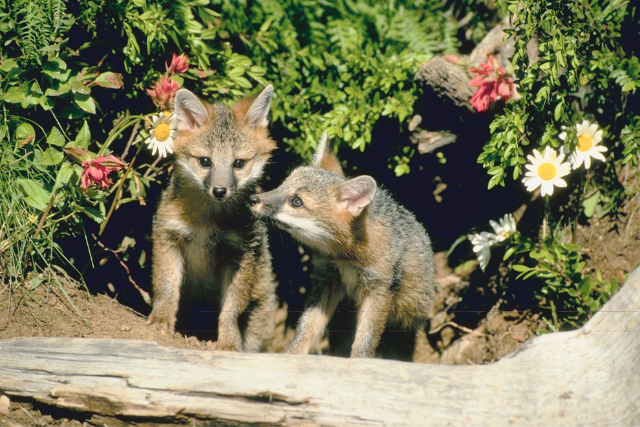
Exploring fox species and their den preferences reveals a captivating distinction between gray and red foxes. These creatures showcase distinct characteristics and preferences in habitat choices.
Gray Fox vs. Red Fox Dens
Gray and red foxes, the two most common fox species, exhibit distinct den preferences. Gray foxes are known for their versatile den choices. Their dens are usually located in hollow trees or logs, in crevices among large rocks, or in underground burrows. As skilled climbers, they sometimes den well above the ground.
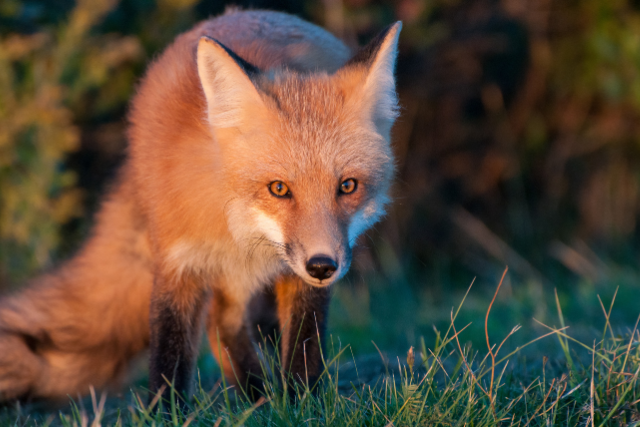
On the other hand, red foxes prefer burrows or ground-level dens, often enlarging old woodchuck or badger holes.
Gray foxes climb trees mainly to escape predators and to reach fruit, while red foxes stay on the ground and excel at catching small mammals in open country.
Habitat Preferences
The habitat significantly influences the choice of den site. Gray foxes thrive in woodlands and forests, where tree dens provide them safety and shelter. Red foxes, with their preference for burrows, are often found in open grassy habitats, agricultural lands, and metropolitan areas.
Their adaptability to various environments is a testament to their ability to tolerate human activity and exploit different resources.
Urban Foxes
Urban areas have become home to a growing population of red foxes. These adaptable creatures find den locations in sheds, under decks, or abandoned buildings.
The availability of food sources like discarded fruit and small animals in urban settings has encouraged their presence. Urban foxes demonstrate remarkable flexibility in their den choices, illustrating their ability to coexist with human activity.
Understanding these fox varieties’ den preferences sheds light on their fascinating lives and aids wildlife conservation efforts. As we delve into the intricacies of a fox den, we uncover a world where adaptability and resourcefulness play critical roles in their survival and proliferation.
Characteristics Of Fox Dens
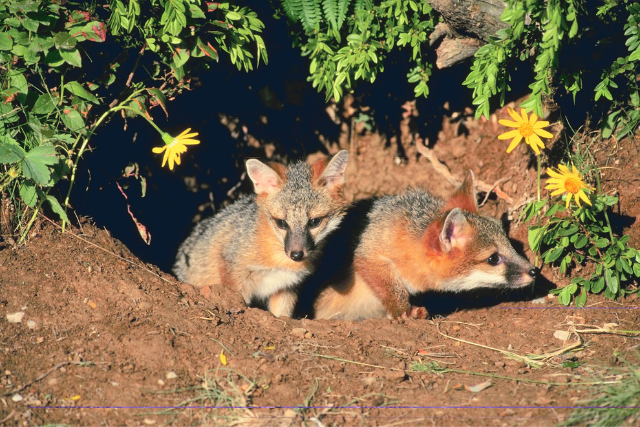
In the realm of wildlife, a fox den is an architectural wonder where the intricate dance of survival and family existence unfolds. These sanctuaries, carefully crafted by foxes, come in various forms, each uniquely tailored to the creatures’ specific needs and habitat.
Types Of Fox Dens
Foxes are renowned for their adaptability, and this extends to the types of dens they create. Among the most common are earths and burrows, each tailored to the specific needs of different fox species.
Gray foxes, the skilled climbers of the fox world, tend to favor ready-made shelters: hollow trees and logs, rock piles, and thick brush. These spots provide a good blend of concealment and accessibility.
Gray foxes find refuge and safety in these shelters, allowing them to raise their families and rest between foraging trips. On the other hand, red foxes tend to favor underground dens.
These underground tunnels, often taken over from other animals and enlarged by the red fox, offer hidden sanctuaries from the dangers of the outside world. These red fox dens are where you will see them nurturing pups in spring.
Outside the breeding season, red foxes rarely use dens. The den is little more than a nursery, because red foxes prefer to sleep in the open, even during winter.
Whether the gray fox’s piles of earth or the red fox’s burrow, these dens are more than mere shelters. In the fox world, these dens are like bustling city centers – hubs for raising families and keeping pups safe.
Learning more about the importance of a fox den, we gain insight into the world of these fascinating animals, where adaptability and resourcefulness reign supreme.
Location Choices
Location is paramount when it comes to fox dens or fox earth. Gray foxes, residents of woodlands and brushy country, often choose hollow trees, logs, or rock crevices. Some gray fox dens have been found in trees about 30 feet above the forest floor.
The red fox, displaying its adaptability, inhabits diverse landscapes. This diversity showcases their ability to thrive in different environments.
Size And Structure
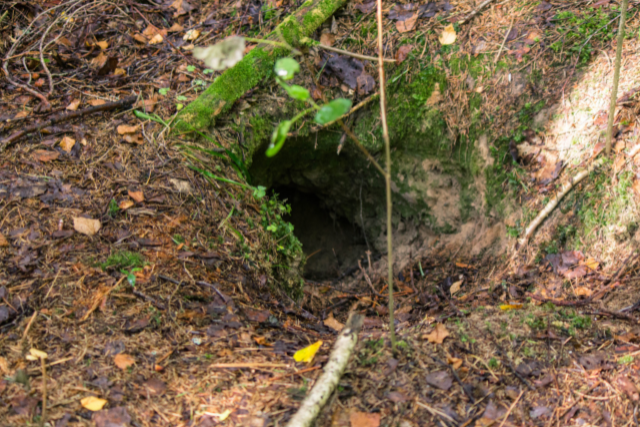
Fox dens vary in size. Gray fox dens are often simple shelters inside a hollow tree, log, or rock pile. Red fox burrows can be more extensive, with several entrances and a chamber for raising the litter.
The structure of these dens is a testament to foxes’ remarkable engineering skills, with entrances carefully concealed to deter threats. As we explore the characteristics of fox dens, we gain insight into a world where nature’s ingenuity and adaptability shine.
These dens are sanctuaries where fox families are raised, hunting begins, and nature’s cycle perseveres. Fox dens, an embodiment of resilience and resourcefulness, are true masterpieces of the natural world.
Den Life: Fox Families And Their Quirky Quarters
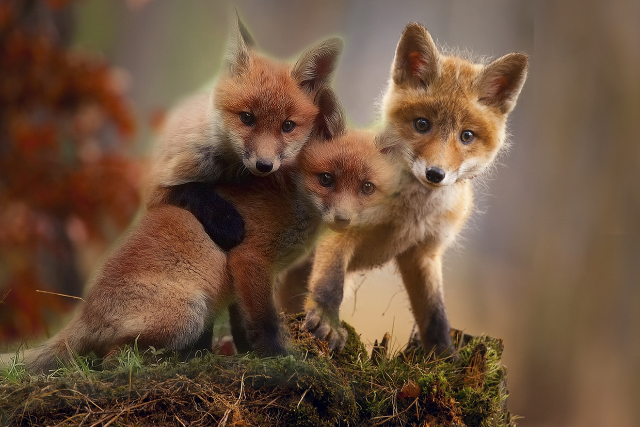
These dens are the heart of family existence for these cunning canids. It’s where the next generation is born and raised.
The red fox often raises its family in an underground burrow.
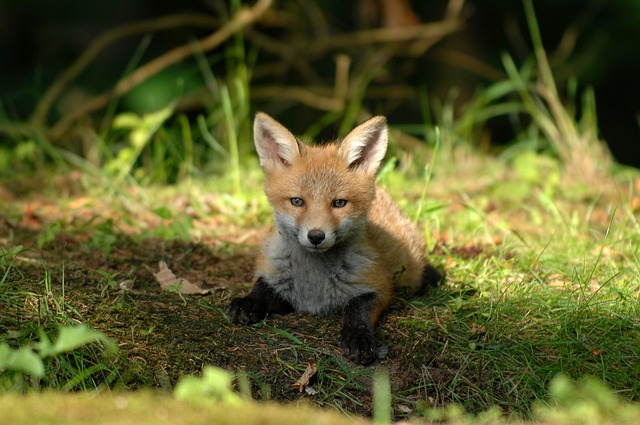
In these underground sanctuaries, females give birth to their pups, usually about four to six, though litters of 1 to 13 have been recorded. The male fox, ever the dutiful partner, assists in providing food for the growing family.
Den Maintenance
The den is not a static structure but a dynamic one. Foxes may clean out and enlarge an old burrow before the pups are born, and many families keep one or more backup burrows nearby.
Pups stay in the den for their first four or five weeks, then begin to explore the den’s surroundings. If a den is disturbed, the parents may move the pups to another burrow.
Fox Scat And Marking
Communication is critical in the world of foxes, and the den plays a crucial role in it. Foxes use scat and scent markings to establish territorial boundaries and communicate with other foxes.
Did you know the den is the busy traffic control center of smell-based communications for these cunning creatures? It’s the headquarters where all the smelly signals come in and go out! Isn’t that cool, or should we say – nose-ticklingly curious?
Scent markings around the den inform neighboring foxes about the presence of a family and the boundaries they should respect. The den area is marked with territorial scents to ward off potential intruders and signal that this territory is claimed.
Life unfolds with all its intricacies and challenges in the heart of these dens. It’s where fox families thrive, kits take their first steps, and the cycle of fox existence continues.
These dens are not just shelters but the core of fox parenthood, a testament to nature’s ingenuity and the enduring spirit of these remarkable creatures.
Fox And Other Animals: Coexisting In Nature’s Neighborhood
Fox dens are more than solitary shelters; they are communal spaces where the intricacies of the animal kingdom play out. Within these dens, fascinating relationships unfold, with some animals tolerating the presence of foxes while others pose a potential danger.
Animals Coexisting With Foxes
With their adaptability and resourcefulness, foxes often share den sites with various animals. While each kind prefers a personal corner, some neighbors tolerate the presence of foxes.
In Europe, red foxes sometimes live in parts of large badger setts, and the two species tend to avoid confrontation.
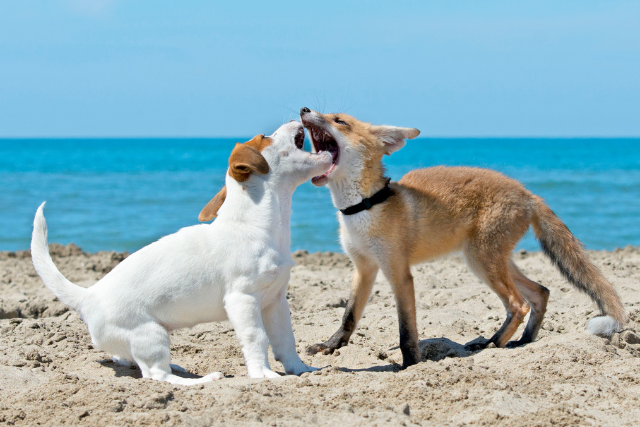
In urban areas, where space is limited, foxes may coexist with cats, although caution is advised. These surprising neighborly interactions reveal foxes’ adaptability and ability to find harmony in shared spaces.
Fox Predators
In nature’s intricate web, foxes, too, have their potential threats. Coyotes do not tolerate foxes in their territory and will kill them. Eagles, wolves, bobcats, and great horned owls also take foxes, and pups near the den are the most vulnerable.
Foxes, being resourceful, have developed strategies to safeguard their young, often selecting den sites strategically to minimize potential dangers.
These creatures are also clever parents, choosing hole locations to keep their young ones safe and sound. They put thought into finding the best spots, and just like that, their baby foxes stay protected from harm.
These dens testify to nature’s balance, where animals adapt, coexist, and sometimes compete for survival. In this vibrant tapestry of life, foxes observe and participate in the ever-evolving animal kingdom.
Hunting Forays From Dens: The Fox’s Secret To Survival
In the great plains and forests, the den is more than just a shelter during pup season. It is the base for the parents’ foraging trips. Exploring these foraging trips from dens, we discover how cunning canids secure their meals.
Hunting Behavior
Foxes are opportunistic hunters. While they have pups, the parents use the den as a base from which they set out in search of food.
With stealth and precision, they stalk their prey, whether it be rabbits, birds, or other mammals. They rely on keen senses and agile movements, and while pups are small, the parents bring much of what they catch back to the den.
Food Sources
Foxes are known to have diverse diets adapted to their environments. They hunt for various prey, from small mammals to birds and insects.
During pup season, the parents carry food back to the den for their young. At other times of year, foxes bury extra food in shallow caches scattered around their range and dig them up later, which helps them through lean times.
Benefits To Ecosystem
Foxes play a vital role as predators, regulating prey populations and preserving biodiversity. Their hunting behavior influences the distribution and behavior of many other mammals, contributing to ecosystem health and stability.
The den is more than a shelter; it’s central to the fox’s survival. Foxes’ hunting reminds us of the intricate dance of existence in the wild, where every move and meal is part of nature’s timeless rhythm.
Final Thoughts
In the wild, fox dens emerge as remarkable sanctuaries where fox populations find their haven. These earthy abodes serve as the stage for survival’s intricate dance and the nurturing grounds for future generations.
As we admire the artistry of their dens, let’s also embrace the vital role foxes play in our ecosystems. We foster a deeper connection with the natural world by appreciating these cunning canids and their dens.
The foxes’ lives within their dens hold exciting opportunities for future research amid wilderness.
Frequently Asked Questions
What does a fox den look like?
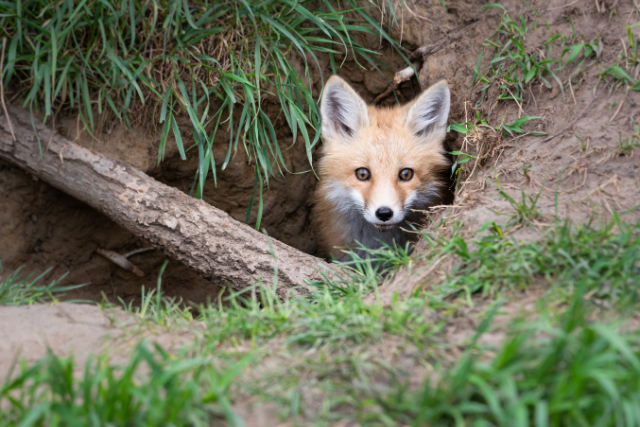
A fox den typically appears as a burrow in the ground, often concealed by vegetation or near tree roots.
Where do foxes sleep?
Outside the pup-rearing season, red foxes usually sleep in the open, curled up with their tail over their nose, even in winter. Gray foxes often rest in thick brush, hollow logs, or trees.
How long do foxes stay in their den?
Red foxes use a den mainly in spring, when the female gives birth and raises pups. Pups stay inside for about their first four or five weeks, and the family uses the den area into summer before moving on.
Sources
- Red fox (Vulpes vulpes), Minnesota Department of Natural Resources
- Urocyon cinereoargenteus (gray fox), Animal Diversity Web, University of Michigan
- Vulpes vulpes (red fox), Animal Diversity Web, University of Michigan