Do Foxes Eat Sparrows? (Role + How They Catch Them)
Contents
- Understanding Predator-Prey Relationships
- The Diet of Foxes
- Sparrows: A Potential Prey For Foxes
- Do Foxes Eat Sparrows?
- The Role Of Sparrows in the Ecosystem
- Foxes And their Impact on Ecosystems
- How Do Foxes Catch Birds And Sparrows?
- How To Protect Sparrows From Predators
- Conclusion
- FAQs
- Do red foxes eat sparrows?
- Are sparrows the only prey of foxes?
- How do sparrows protect themselves from predators?
- Can foxes be domesticated?
- What is the importance of predator-prey relationships in ecosystems?
- Sources
The world of nature is filled with diverse creatures that interact in various ways. While some species live in harmony, others coexist through predator-prey relationships. In this article, we will explore the question of whether foxes eat sparrows.
Understanding Predator-Prey Relationships
To understand whether foxes eat sparrows, it is essential to first comprehend predator-prey relationships. Predators are animals that hunt and kill other animals for food, while prey refers to the animals that are hunted and eaten. These relationships are crucial for the survival of both species and play an essential role in regulating populations.
The Diet of Foxes
Foxes are omnivorous animals, meaning they eat both plants and animals including snakes. Their diet varies depending on the season and availability of food. Foxes are known to eat small animals such as rodents, rabbits, and birds, as well as insects, fruits, and berries.
Sparrows: A Potential Prey For Foxes
Sparrows are small birds that are commonly found in urban areas. They are known for their small size, cheerful chirping, and their ability to adapt to different environments. However, they are also vulnerable to predators such as hawks, cats, and foxes.
Do Foxes Eat Sparrows?
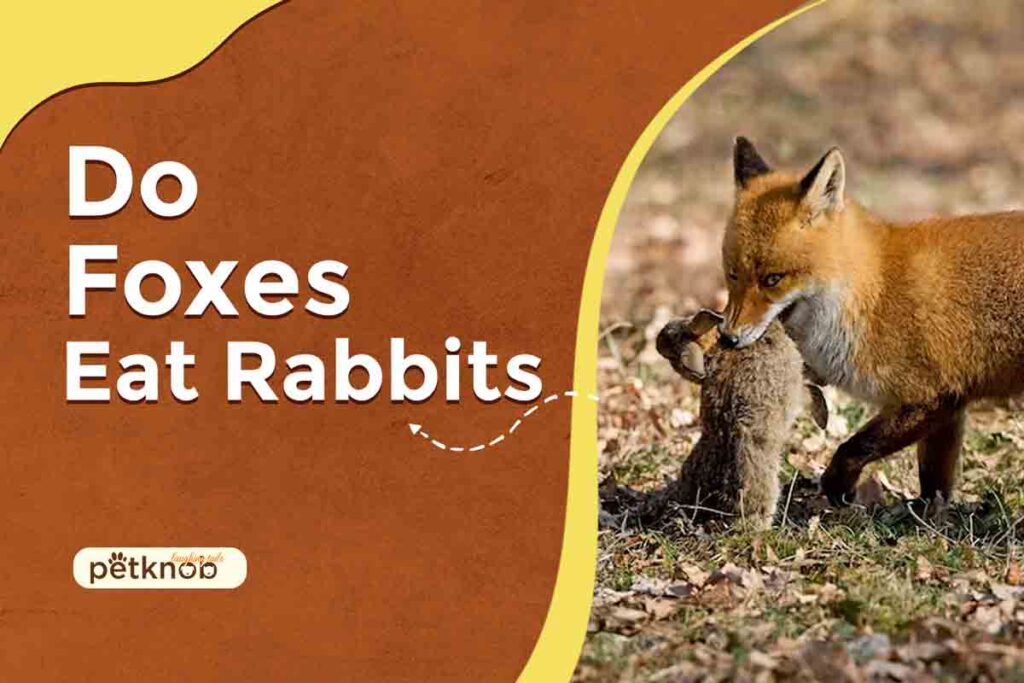
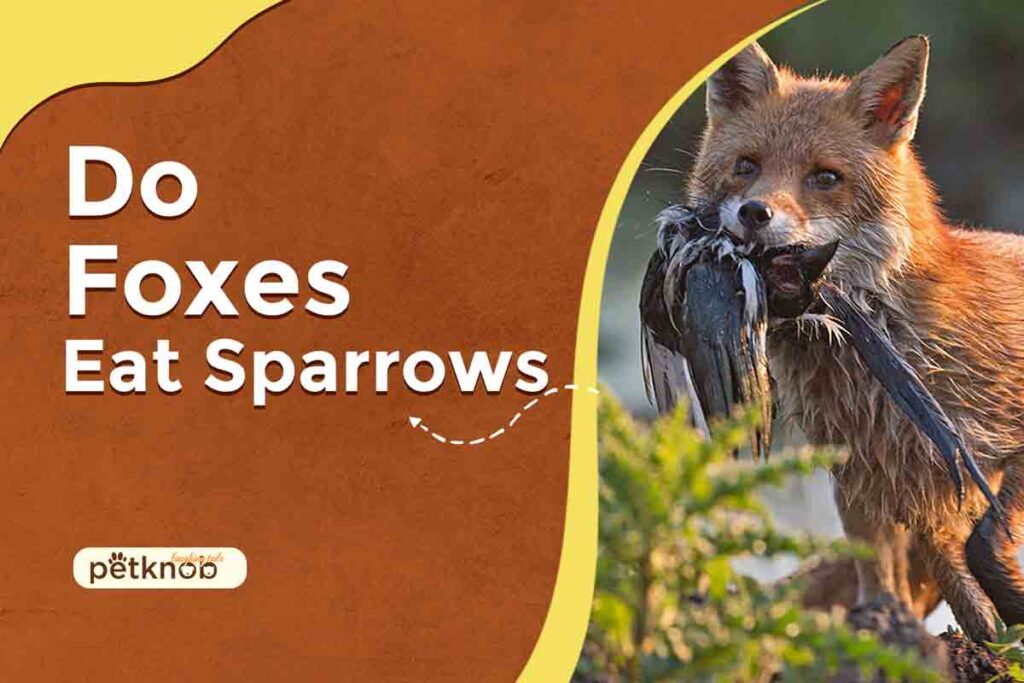
Foxes do eat birds, and state wildlife agencies list wild birds among the red fox’s foods. Sparrows get eaten now and then, but they are not a regular part of the diet.
An adult sparrow is small and quick to fly off, so it is hard to catch. Foxes have better luck with ground-nesting birds such as pheasants, grouse, and partridges, and with eggs, nestlings, and fledglings.
The Role Of Sparrows in the Ecosystem
Sparrows play a role in the ecosystem as seed eaters and insect eaters, especially when feeding their young. Sparrows are also an important source of food for other animals, such as hawks, owls, and cats.
Foxes And their Impact on Ecosystems
While foxes play a vital role in controlling populations of small animals, they can also have negative impacts on ecosystems. Foxes prey on rare ground-nesting birds and their eggs in some areas. They also kill poultry, leading to losses for farmers and backyard flock owners.
How Do Foxes Catch Birds And Sparrows?
Foxes are skillful predators that have adapted to hunt a variety of prey, including birds and sparrows. Their hunting strategy varies depending on the size and behavior of the bird they are targeting.
One of the most common techniques used by foxes to catch birds and sparrows is stalking. Foxes are known for their stealthy movements and can approach their prey undetected, slowly and silently. They carefully observe the birds’ movements, wait for the right moment, and then pounce on them with lightning speed.
In addition to stalking, foxes also use their keen senses of smell and hearing to locate their prey. Their sharp hearing lets them pinpoint small animals moving in grass or under snow. Once they have located their prey, they will move in for the kill, using their speed and agility to catch it.
Foxes are also known to use surprise attacks to catch birds and sparrows. They will hide in bushes or undergrowth, waiting for a bird to land nearby before suddenly jumping out and grabbing it. This technique requires precision timing and is often successful in catching unwary prey.
Foxes also raid nests. Birds that nest on or near the ground are the easiest targets, and a fox may take the eggs or nestlings along with an adult bird that stays too long.
How To Protect Sparrows From Predators
To protect sparrows from predators such as foxes, it is essential to provide them with safe habitats. This can be achieved by creating birdhouses and nesting boxes in areas that are less accessible to predators. Other measures include planting native plants and providing food sources such as bird feeders.
Conclusion
Foxes eat birds, and sparrows are an occasional meal rather than a regular one. Adult sparrows are small and quick, so foxes do better with ground-nesting birds, eggs, and young birds. Sparrows play a useful role as seed and insect eaters, and safe nesting spots help protect them from predators.
FAQs
Do red foxes eat sparrows?
Yes, red foxes eat sparrows now and then. They are opportunistic hunters that stalk and pounce on birds, and small songbirds like sparrows are easiest to catch as nestlings, fledglings, or adults feeding on the ground. Sparrows are an occasional meal, not a staple.
Are sparrows the only prey of foxes?
No, foxes eat a variety of animals, including rodents, rabbits, and larger birds such as pheasants.
How do sparrows protect themselves from predators?
Sparrows are agile and quick, making it challenging for predators to catch them. They also tend to stay in flocks, which provides safety in numbers.
Can foxes be domesticated?
Foxes can be domesticated but it requires a lot of effort and expertise. Domesticated foxes are bred for their friendly and playful nature, but they still retain some of their wild instincts. It is important to remember that foxes are not like dogs and require specialized care and training.
What is the importance of predator-prey relationships in ecosystems?
Predator-prey relationships are crucial for maintaining the balance of nature in ecosystems. They help to control populations of animals and prevent overgrazing and overpopulation. Without these relationships, ecosystems can become unbalanced and cause negative impacts on the environment.
Sources
- Red Fox, Missouri Department of Conservation
- Red fox (Vulpes vulpes), Minnesota Department of Natural Resources
- Vulpes vulpes (red fox), Animal Diversity Web, University of Michigan
- How can I discourage predators from accessing my nest boxes?, NestWatch, Cornell Lab of Ornithology