Border Collie Coyote Mix: Get To Know This Crossbreed
Contents
Is a Border Collie Coyote crossbreed an ideal pet for you? We’ll find that out in this article.
Coyotes and dogs can interbreed, but their offspring, called coydogs, are uncommon. Coyotes rarely breed with dogs because they are fertile for only a short time each year.
Coydogs have been reported from crosses with breeds such as the Golden retriever, Siberian husky, German shepherd, Australian shepherd, and Border collie.
No registry tracks these hybrids, so there is no reliable data on which mix is most common.
Unfortunately, the Border Collie mix is not ideal for everyone, but does it make a great pet?
What Is the Border Coyote Mix?
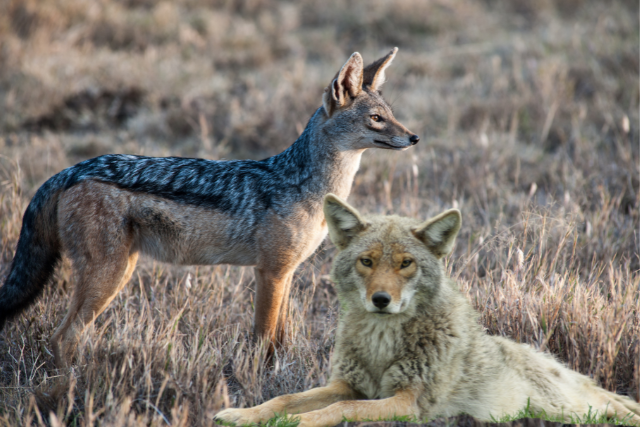
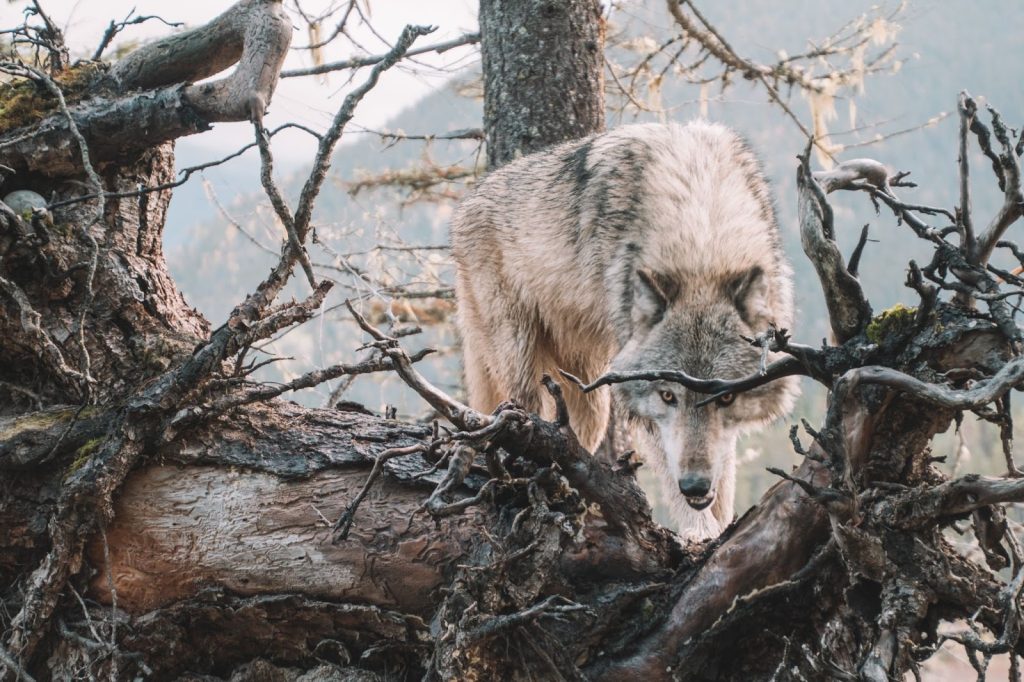
This collie mix, also known as a Coydog, is a hybrid breed resulting from the mating of a Border Collie and a Coyote. However, these two species rarely mate in the wild. Coyotes breed during one short window each year, while most dogs come into heat twice a year with no set season.
Even when a coyote and a dog do mate, the pups often don't survive, because the male dog doesn't help raise them. Some coydogs are also infertile.
Coydogs are quite rare, and their characteristics can vary significantly depending on the specific traits inherited from each parent. Border Collies are known for their intelligence, herding instincts, and agility, while Coyotes are wild canids with different behaviors and physical traits.
Hybrid animals like Coydogs often present challenges in terms of behavior, as they may inherit traits from both parents, making them unpredictable.
Additionally, there may be legal and ethical concerns surrounding breeding such hybrids, as well as concerns for their welfare and the potential impact on local ecosystems if they escaped into the wild.
It’s important to note that many places have strict regulations and laws regarding the ownership and breeding of hybrid animals, and it’s crucial to consider the welfare and ethical implications before attempting to breed or own such animals.
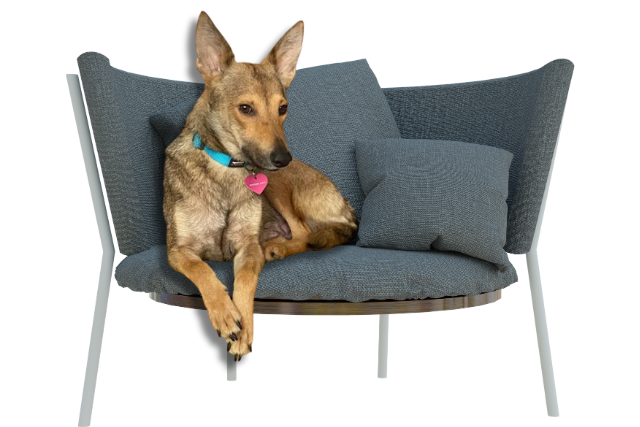
What Do Border Collie Coyote Mixes Look Like?
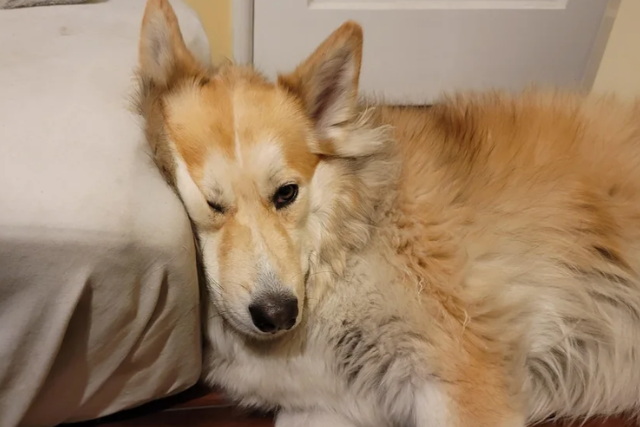
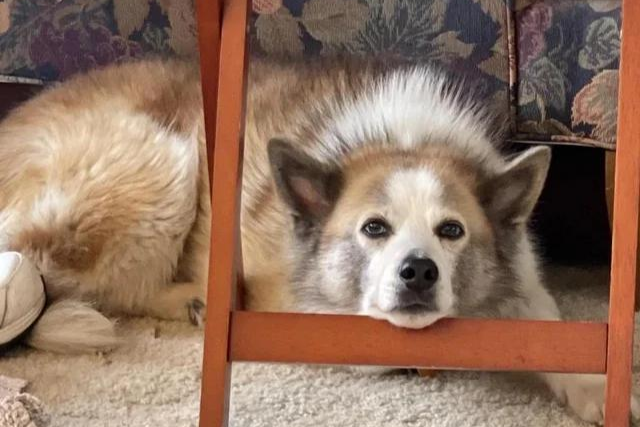
Coydog would exhibit physical characteristics that are a combination of traits from both the Border Collie and the Coyote parents. However, it’s important to remember that the appearance of a Coydog can vary widely depending on the specific genetic inheritance from each parent, and the resulting mix may not necessarily be predictable.
That said, here are some general physical characteristics that a Border Collie mix might have:
- Size: The size of a Coydog can vary, but it’s likely to fall somewhere between the size of a Border Collie and a Coyote. Border Collies are medium-sized dogs, while Coyotes are generally smaller than most domestic dog breeds.
- Coat: The coat of a Coydog could be quite variable, depending on which parent’s genes are more dominant. Border Collies typically have a medium-length double coat that can be rough or smooth. Coyotes have a wild, coarse coat. The Coydog’s coat may be a mix of these textures and may come in various colors.
- Coloration: Border Collies come in various colors, including black and white, tricolor, red and white, and more. Coyotes typically have grayish-brown fur with a black-tipped tail. A Coydog’s coloration could be a blend of these colors and patterns.
- Ears: Coyotes have distinctive large, pointed ears. Depending on the genetic inheritance, a Coydog may have ears that resemble those of a Collie or may have a mix of both parents’ ear shapes.
- Tail: Coyotes have long, bushy tails with a black tip, while Border Collies have medium-length tails that are often carried low. A Coydog’s tail may vary in length and shape.
- Eyes: The eye color of a Coydog could range from brown to blue, depending on the genetics inherited from the Collie parent.
- Build: Border Collies are known for their athletic and agile build, while Coyotes have a more slender and lean physique. A Coydog’s build may be somewhere in between, with variation depending on the individual.
It’s important to emphasize that the appearance of a Coydog is highly unpredictable due to the genetic diversity between Border Collies and Coyotes.
Additionally, the behavior and temperament of a Coydog may also vary widely, making them challenging to predict and potentially difficult to handle as pets. Ownership and breeding of such hybrids may also be regulated or prohibited in some areas.
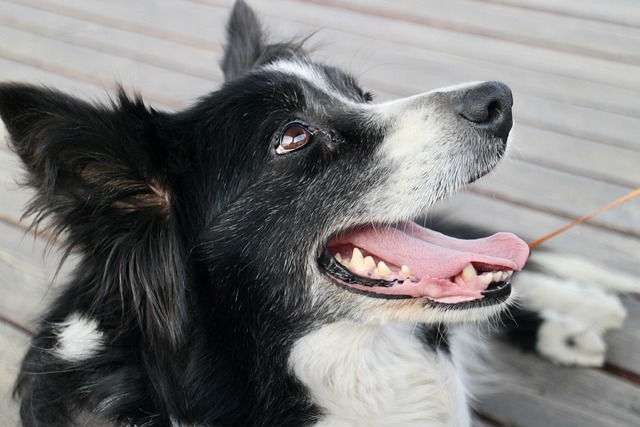
Health Concerns of the Border Collies Mix
It’s important to note that Coydogs are not a standardized dog breed and are quite rare in North America.
Unfortunately, there is limited information available about their specific health issues.
Here are some health concerns that could be relevant for a Coydog:
- Wild Behavior and Instincts: Coyotes are wild animals, and the mix of domestic dog genes with wild coyote genes may result in unpredictable behavior. This dog may retain strong hunting instincts and be more prone to escaping or wandering.
- Genetic Variability: The wide genetic diversity between Border Collies and Coyotes could result in genetic anomalies and health issues that are not commonly seen in a purebred dog. This can include a range of hereditary conditions.
- Parasites and Diseases: Coyotes may carry diseases and parasites that dogs are not routinely exposed to, such as tick-borne illnesses or diseases like rabies. It’s important to ensure proper vaccination and parasite control for a Coydog.
- Hybrid Vigor: On the positive side, some hybrids benefit from what’s known as “hybrid vigor,” which means they may have a reduced risk of certain genetic health issues seen in a purebred dog. However, this is not a guarantee and can vary from individual to individual.
- Orthopedic Issues: Border Collies are prone to certain orthopedic issues like hip dysplasia, which could be passed down to a Coydog.
- Nutritional Needs: Because of their unique genetic makeup, Coydogs may have specific nutritional requirements that differ from typical dog food. Consult with a veterinarian experienced in working with hybrid or unique breeds to ensure they receive the appropriate diet.
- Regulatory and Legal Concerns: In many areas, owning or breeding Coydogs may be regulated or even prohibited due to concerns about their behavior and potential impact on the local ecosystem. Legal issues can pose challenges for owners.
It’s important to remember that Coydogs are not recognized as a breed by major dog breed registries, and there is limited information available about their specific health concerns.
If you are considering adopting or breeding a coyote hybrid, it’s crucial to consult with a veterinarian who has experience with hybrid dogs and to be prepared for potential behavioral and health challenges.
Additionally, ensure that you are in compliance with local laws and regulations regarding the ownership of such a wild animal.
Conclusion
The border collies hybrid, also referred to as Coydogs, is the outcome of mixing coyotes with border collies. This hybrid is quite rare, and its characteristics can vary significantly depending on the inherited trait. They may inherit the Border Collie’s intelligence and agility, but the coyote side makes their temperament hard to predict. That makes them a poor fit for most homes.
If you still plan on adopting one, check your local laws first and budget for experienced, professional training.
Frequently Asked Questions
Do border collies make great guard dogs?
No. Border Collies are herding dogs, not guard dogs, and Border Collie Coyote mixes, also known as Coydogs, aren’t recommended for guarding.
Their wild instincts make them unpredictable around livestock and strangers.
What’s the lifespan of border collies?
The lifespan of a Border Coyote mix, also known as a Coydog, is not well-documented due to its rarity and variability. For reference, purebred Border Collies live about 12 to 15 years, but there is no reliable figure for coydogs.
Do I need permission to breed coydogs?
Yes**, i**n many areas, owning or breeding Coydogs may be regulated or even prohibited due to concerns about their behavior and potential impact on the local ecosystem.
Sources
- Wildlife in Connecticut: Coyote fact sheet, Connecticut DEEP
- Estrous Cycles in Dogs, VCA Animal Hospitals
- Border Collie Dog Breed Information, American Kennel Club